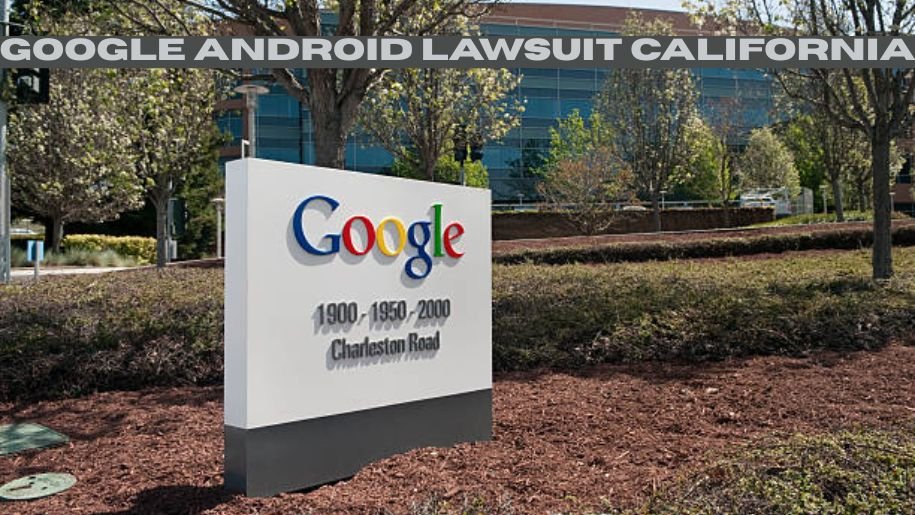

Over the past decade, the technology industry has faced increasing scrutiny from regulators, courts, and consumers regarding how large technology companies collect data, manage digital ecosystems, and control market competition. Among the most prominent companies involved in these legal disputes is Google, whose mobile operating system Android powers billions of smartphones worldwide.
In California, several major lawsuits have emerged concerning Android, focusing on issues such as unauthorized data usage, consumer privacy, and alleged monopolistic practices in the app marketplace. These cases have drawn widespread attention because they affect millions of users, influence the structure of the mobile app economy, and raise broader questions about the responsibilities of large technology platforms.
This article provides a comprehensive examination of the Google Android Lawsuit California. It explores the origins of these legal disputes, the arguments presented by plaintiffs and Google, the court decisions and settlements that followed, and the broader implications for consumers, developers, and the technology industry.
Background of Android and Google’s Ecosystem
Android is the most widely used mobile operating system in the world. Developed by Google, the platform powers smartphones from manufacturers such as Samsung, Xiaomi, and many others. The operating system integrates a range of Google services including the Google Play Store, Gmail, Maps, and cloud synchronization.
The Android ecosystem functions as both a software platform and a digital marketplace. App developers distribute their applications primarily through the Google Play Store, while users download and install apps through this centralized platform. Google also provides payment infrastructure for in-app purchases and app sales.
This ecosystem has allowed Google to build a highly profitable mobile platform. However, the company’s dominant position has also raised concerns about whether its practices limit competition or harm consumers.
California, home to Silicon Valley and many major technology firms, has become a central venue for litigation involving Google’s Android platform. Courts in the state have heard several significant cases addressing data privacy, consumer rights, and antitrust concerns related to Android.
The Android Cellular Data Lawsuit
Origins of the Case
One of the most widely discussed Android lawsuits in California centered on allegations that Android smartphones transmitted data to Google servers without user consent.
The case was brought by a group of California Android users who claimed that their devices were sending information to Google even when the phones were idle or not actively being used. According to the plaintiffs, this activity consumed cellular data that users were paying for under their mobile service plans.
Because cellular data often comes with monthly limits or additional charges for exceeding those limits, the plaintiffs argued that Google was effectively using consumers’ paid data resources for its own purposes.
The lawsuit was filed in California courts and eventually became a large class-action case representing millions of Android users across the state.
Key Allegations
The plaintiffs in the case presented several major allegations against Google.
First, they claimed that Android devices were programmed to send background data to Google servers even when no applications were open. This activity allegedly occurred for system updates, analytics, and other data exchanges that were not clearly communicated to users.
Second, the lawsuit argued that these background transmissions used cellular data rather than Wi-Fi in some situations. When this occurred, users effectively paid for the data transfers through their mobile service plans.
Third, the plaintiffs contended that these transmissions happened automatically and could not easily be disabled by ordinary users. According to their legal argument, this meant consumers had little meaningful control over the data being transmitted.
Finally, the lawsuit claimed that Google benefited financially from the data collection while users bore the cost of the cellular data usage.
Google’s Defense
Google strongly denied the allegations and defended its Android system in court.
The company argued that the data transfers were necessary for maintaining the functionality, security, and reliability of Android devices. According to Google, smartphones regularly communicate with servers to check for updates, synchronize services, and ensure system stability.
Google also claimed that the amount of data used in these transmissions was extremely small and unlikely to have any significant financial impact on users.
Additionally, the company stated that information about background data usage was disclosed in Android settings and policies. From Google’s perspective, users had access to tools that allowed them to manage data usage and control background activity.
The Jury Verdict
After several years of litigation, the case eventually went to trial in California.
The jury concluded that Google had engaged in practices that improperly consumed cellular data from Android users without adequate disclosure or consent.
As a result, the court ordered Google to pay hundreds of millions of dollars in damages to affected Android users in California. The verdict represented compensation for millions of consumers whose devices allegedly used cellular data in the background.
The case became one of the most significant consumer privacy lawsuits involving smartphone data usage.
Settlements and Ongoing Litigation
Following the jury verdict, additional negotiations and related lawsuits continued.
Some cases were resolved through settlements that required Google to pay compensation to affected consumers. These settlements also included commitments to improve transparency about data usage and device communications.
Although Google did not admit wrongdoing in these settlements, the financial penalties and legal scrutiny highlighted the growing concern about how technology companies handle background data collection.
The Epic Games Antitrust Lawsuit Against Google
While the cellular data case focused on consumer data usage, another major lawsuit involving Android in California addressed competition in the mobile app market.
This case was brought by Epic Games, the developer of the popular video game Fortnite.
Background of the Dispute
Epic Games filed a lawsuit against Google in 2020, accusing the company of maintaining an illegal monopoly over Android app distribution and in-app payment systems.
Although Android allows users to install apps from sources outside the Google Play Store, Epic argued that Google used contractual agreements and technical barriers to discourage competition from alternative app stores.
Epic also challenged Google’s requirement that developers use Google’s billing system for in-app purchases, which typically included a commission fee.
The lawsuit claimed that these practices limited competition and increased costs for developers and consumers.
Court Findings
The case went to trial in California, where a jury examined evidence related to Google’s business practices and relationships with smartphone manufacturers and developers.
The jury ultimately found that Google had engaged in anticompetitive behavior in the Android app marketplace.
According to the verdict, Google had used its control over the Android ecosystem to maintain dominance in app distribution and digital payments.
This decision represented a significant victory for Epic Games and raised broader questions about how app marketplaces should be regulated.
Consequences for the Android Ecosystem
Following the verdict, the court ordered changes to some of Google’s practices.
These changes included requirements that made it easier for alternative app stores to operate on Android devices. The ruling also limited certain agreements that restricted competition in the mobile app market.
Although the legal process continued through appeals and negotiations, the case had already begun reshaping the discussion around competition in digital platforms.
Additional Consumer Antitrust Cases
Beyond the Epic Games lawsuit, several other antitrust cases related to Android were filed in California and across the United States.
Many of these cases were brought by groups of consumers and state governments who claimed that Google’s control over the Google Play Store allowed the company to charge higher commissions and increase app prices.
These lawsuits argued that Google’s policies harmed consumers by reducing competition among app marketplaces.
Eventually, some of these cases resulted in large financial settlements. Funds from these settlements were distributed to consumers who had purchased apps or made in-app purchases through the Google Play Store.
Broader Legal and Industry Implications
The Google Android Lawsuit California have implications that extend far beyond the individual cases.
First, they demonstrate the increasing willingness of courts and regulators to challenge the practices of large technology companies. As digital platforms become more central to everyday life, legal systems are grappling with how to regulate them effectively.
Second, these lawsuits highlight growing public concern about data privacy and transparency. Consumers are becoming more aware of how their devices collect and transmit data, and they are demanding greater control over these processes.
Third, the antitrust cases signal a shift in how competition is evaluated in digital markets. Traditional antitrust frameworks were developed for industries such as manufacturing and telecommunications. Applying these frameworks to digital platforms requires new legal interpretations and economic analyses.
Impact on Consumers and Developers
For consumers, the Android lawsuits have led to increased transparency regarding data usage and mobile device behavior. Many smartphone manufacturers and operating systems now provide more detailed settings that allow users to monitor and manage background data activity.
For app developers, the antitrust cases could open new opportunities for alternative app stores and payment systems. If competition increases in the mobile app marketplace, developers may gain more flexibility in how they distribute apps and process payments.
However, the long-term impact of these legal changes remains uncertain, as technology companies continue to evolve their business models and policies.
The Future of Android Litigation
Legal challenges involving Android are likely to continue in the coming years.
Technology companies operate in rapidly evolving markets where new services, devices, and digital ecosystems are constantly emerging. As these platforms expand, regulators and courts will continue to evaluate whether their practices comply with competition laws and consumer protection standards.
The outcomes of these cases may shape the future structure of the mobile technology industry.
Conclusion
The Google Android lawsuits in California represent some of the most significant legal disputes in the modern technology industry. These cases address fundamental questions about consumer rights, data privacy, and market competition within digital ecosystems.
From the cellular data class-action lawsuit to the high-profile antitrust battle with Epic Games, the litigation surrounding Android has revealed the complex relationship between technology platforms and the users and developers who rely on them.
As courts continue to evaluate these issues, the results will likely influence not only Google’s policies but also the broader regulation of technology companies worldwide.
Frequently Asked Questions
What is the Google Android Lawsuit California about?
The Google Android Lawsuit California involve multiple legal cases concerning Android smartphones. These cases address issues such as background cellular data usage, consumer privacy, and alleged monopolistic practices in the Android app marketplace.
Why were Android users suing Google?
Android users claimed that their phones were sending data to Google servers in the background without clear consent. They argued that these transmissions used cellular data that consumers were paying for through their mobile plans.
What was the outcome of the Android data lawsuit?
A California jury ruled that Google must pay hundreds of millions of dollars in damages to Android users in the state. The case involved millions of consumers and became one of the largest smartphone data usage lawsuits.
What was the Epic Games lawsuit against Google?
Epic Games accused Google of maintaining an illegal monopoly over Android app distribution and in-app payment systems. The case resulted in a jury verdict that found Google engaged in anticompetitive behavior.
How do these lawsuits affect Android users today?
The lawsuits have increased transparency around data usage and encouraged greater competition in the mobile app marketplace. Some settlements have also provided financial compensation to affected consumers.