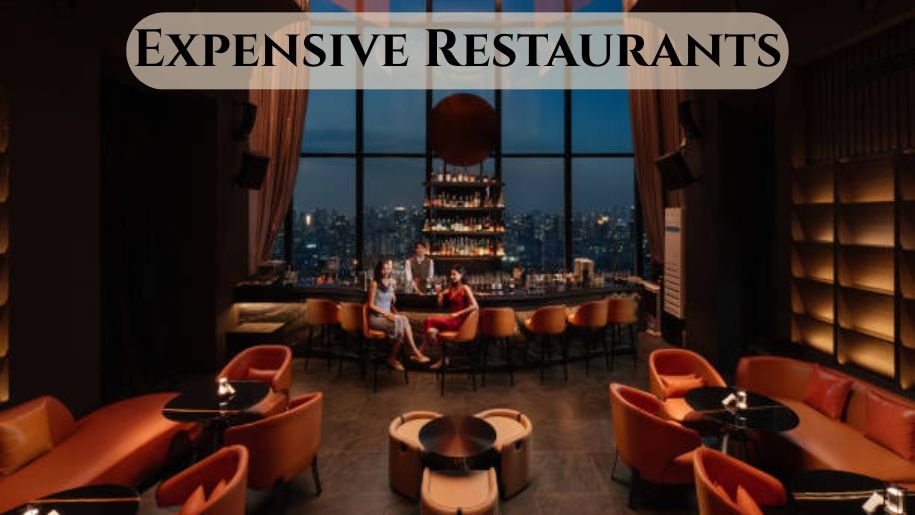

Expensive restaurants occupy a fascinating space in the global hospitality industry. They are places where food becomes art, service turns theatrical, and dining transforms into an immersive experience. For many, they represent celebration, achievement, romance, or once-in-a-lifetime indulgence. For others, they are cultural landmarks that define culinary excellence in a city or country.
But what truly makes a restaurant “expensive”? Is it the ingredients, the chef’s reputation, the décor, or the exclusivity? In reality, it is a complex combination of factors that work together to create an elevated dining experience. This article explores the world of expensive restaurants in detail—how they operate, why they cost so much, what guests can expect, and why they continue to thrive in an increasingly casual dining era.
Understanding What Makes a Restaurant Expensive
An expensive restaurant is typically defined by its pricing, but price alone does not tell the full story. These establishments often belong to the category of fine dining, offering multi-course tasting menus, exceptional service, and carefully curated environments.
Unlike casual restaurants, where guests choose from a menu and enjoy a relaxed atmosphere, expensive restaurants tend to focus on structured experiences. Meals may last several hours and include anywhere from eight to twenty courses. Each dish is meticulously designed, plated with precision, and served with a narrative.
The cost of dining at such restaurants can range from a few hundred dollars per person to well over a thousand, especially when wine pairings and service charges are included. However, guests are not just paying for food; they are paying for craftsmanship, ambiance, exclusivity, and reputation.
The Economics Behind High Prices
Premium and Rare Ingredients
One of the most significant contributors to high prices is ingredient quality. Expensive restaurants source rare and seasonal items from around the world. Examples include white Alba truffles from Italy, premium Japanese Wagyu beef, Beluga caviar, bluefin tuna, rare shellfish, and hand-harvested sea salt.
These ingredients are not only costly to acquire but often require special storage, handling, and preparation. Seasonality further increases costs, as chefs aim to serve produce at its peak, even if that means importing it from distant regions.
Highly Skilled Culinary Teams
In luxury dining establishments, the kitchen is staffed with highly trained chefs, pastry experts, sauciers, and specialists for specific cooking techniques. Many chefs working in expensive restaurants have spent years training in prestigious culinary institutions or under renowned mentors.
The ratio of staff to guests is significantly higher than in casual restaurants. A single table may require multiple chefs to prepare and plate each course. Additionally, sommeliers, maître d’s, and specialized servers are employed to ensure flawless service. Higher payroll costs naturally contribute to higher menu prices.
Prime Real Estate and Design
Location plays a crucial role. Many expensive restaurants are situated in luxury hotels, iconic city centers, or scenic destinations. Rent and property costs in such locations are substantial.
Beyond location, interior design is another major investment. High-end restaurants often collaborate with architects and designers to create bespoke dining spaces. Custom furniture, fine tableware, artistic lighting, and acoustic engineering all contribute to the ambiance—and the expense.
The Experience Factor: More Than Just a Meal
Multi-Course Tasting Menus
A defining feature of many expensive restaurants is the tasting menu. Instead of ordering individual dishes, guests are guided through a curated culinary journey. Each course is designed to build upon the previous one, balancing flavors, textures, and temperatures.
The tasting menu format allows chefs to showcase creativity and technical expertise. It also creates a narrative flow that transforms dining into storytelling. Guests are often introduced to unfamiliar ingredients or techniques, expanding their culinary horizons.
Wine Pairings and Beverage Programs
Expensive restaurants frequently offer wine pairings selected by professional sommeliers. These pairings are carefully chosen to complement each course, enhancing flavors and elevating the overall experience.
Some establishments boast extensive wine cellars containing rare vintages worth thousands of dollars per bottle. Others create custom cocktails or non-alcoholic pairing experiences that are equally refined.
Personalized and Attentive Service
Service in expensive restaurants is often described as intuitive and discreet. Staff are trained to anticipate guests’ needs without being intrusive. Napkins are folded when a guest leaves the table, courses are explained in detail, and dietary restrictions are accommodated seamlessly.
This level of attention requires extensive training and coordination, contributing to operational costs.
Michelin Stars and Global Recognition
While not all expensive restaurants hold prestigious awards, many are associated with recognition from respected culinary guides. Achieving and maintaining such recognition demands consistent excellence in food quality, technique, creativity, and service.
Awards often increase demand dramatically. When a restaurant gains international acclaim, reservations may become scarce, and prices may rise accordingly. Reputation becomes part of the value proposition, turning dining into a sought-after experience.
The Role of Exclusivity
Exclusivity is another defining characteristic of expensive restaurants. Some operate with very limited seating, serving only a handful of guests per night. Others require reservations months in advance.
This scarcity enhances desirability. Guests often perceive limited access as a sign of prestige and quality. Private dining rooms, chef’s tables, and invitation-only experiences further amplify exclusivity.
In some cases, expensive restaurants also emphasize privacy and discretion, attracting celebrities, business leaders, and high-profile individuals.
Culinary Innovation and Technology
Modern expensive restaurants often embrace innovation. Techniques such as molecular gastronomy, sous-vide cooking, fermentation, and smoke infusion are commonly used to create unique textures and flavors.
Some establishments incorporate technology into the dining experience. Projection mapping, immersive soundscapes, and interactive presentations can transform the dining room into a theatrical stage.
Innovation requires research, experimentation, and specialized equipment—all of which add to costs.
Cultural and Regional Influences
Expensive restaurants are found worldwide, each reflecting local culinary traditions while incorporating global influences.
In Japan, high-end sushi restaurants focus on purity, seasonality, and technique. In France, classical culinary traditions emphasize sauces, presentation, and refinement. In Scandinavia, foraged ingredients and minimalistic plating dominate. In the United States, diversity and fusion cuisine are often celebrated.
The cultural context shapes pricing structures as well. Labor costs, import taxes, and local dining customs all affect menu prices.
The Psychology of Luxury Dining
Dining at an expensive restaurant is often tied to emotion. Guests may associate the experience with celebration, romance, or personal achievement. The psychological impact of luxury—ambiance, exclusivity, and presentation—enhances perceived value.
Research in consumer behavior suggests that people are willing to pay more for experiences that feel unique and memorable. Expensive restaurants capitalize on this by crafting environments that stimulate multiple senses: taste, sight, sound, and even scent.
The act of dressing up, entering a refined space, and being treated with exceptional service reinforces the sense of occasion.
Criticism and Debate
Despite their popularity, expensive restaurants are not without criticism. Some argue that prices can be inflated due to branding rather than actual value. Others question sustainability practices, particularly when rare ingredients are sourced globally.
There is also debate about accessibility. Luxury dining is inherently limited to those who can afford it, raising questions about inclusivity in the culinary world.
However, many expensive restaurants have responded by focusing on local sourcing, sustainable seafood, reduced waste practices, and community engagement. The evolving expectations of modern diners continue to shape the industry.
Are Expensive Restaurants Worth It?
The answer depends on individual perspective. For some, the cost is justified by the artistry, craftsmanship, and unforgettable memories created. For others, simpler dining experiences may provide equal satisfaction at a fraction of the price.
Value in expensive restaurants extends beyond portion size. It encompasses creativity, ambiance, service, exclusivity, and reputation. Guests are paying for an orchestrated experience rather than merely a meal.
The Future of Expensive Restaurants
The future of expensive restaurants is likely to be shaped by sustainability, personalization, and technological innovation. As diners become more environmentally conscious, restaurants may increasingly emphasize local sourcing and ethical practices.
Digital reservation systems, customized menus based on guest preferences, and immersive storytelling experiences may further enhance exclusivity.
While casual dining trends have grown globally, there remains strong demand for high-end culinary experiences. Celebrations, business milestones, and cultural appreciation continue to drive interest in luxury dining.
Frequently Asked Questions
Why are expensive restaurants so costly?
They combine premium ingredients, highly trained staff, prime locations, luxury interiors, and personalized service. The pricing reflects the overall experience rather than just the food.
How much does it typically cost to dine at an expensive restaurant?
Prices vary by region and reputation, but tasting menus often range from a few hundred dollars to over a thousand per person, excluding beverages and service charges.
Do expensive restaurants always have Michelin stars?
No, although many do. Michelin stars are a mark of excellence, but a restaurant can be expensive due to location, exclusivity, or luxury branding without holding such awards.
Are reservations required at expensive restaurants?
In most cases, yes. Many require reservations weeks or months in advance due to limited seating and high demand.
What should I wear to an expensive restaurant?
Dress codes vary, but many upscale establishments recommend formal or smart elegant attire to maintain the refined atmosphere.