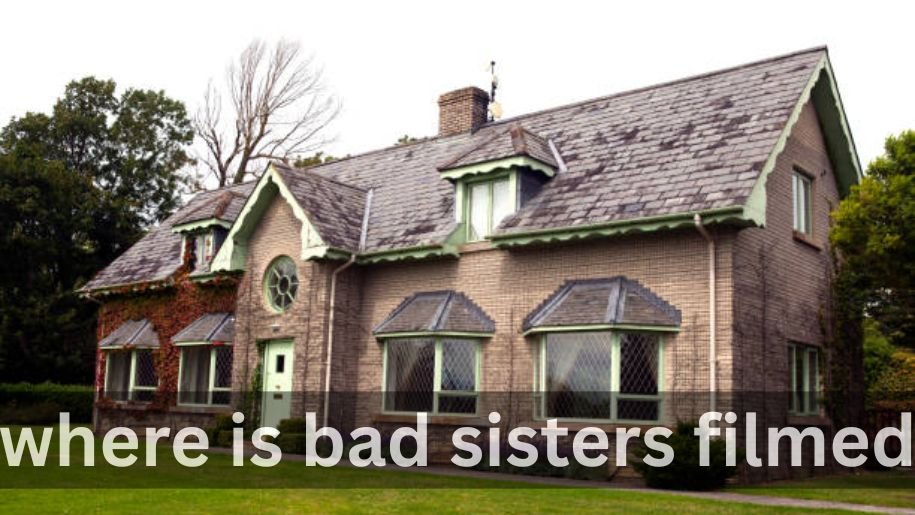

The darkly comic drama Bad Sisters quickly became one of the most visually striking and atmospherically rich series in recent years. Set against dramatic coastlines, charming seaside towns, and elegant urban backdrops, the show’s setting plays a vital role in shaping its tone. Viewers are often left wondering whether the scenery is real or enhanced by studio work. The answer is simple: much of the series was filmed on location, primarily across Ireland, with a few additional scenes shot in the United Kingdom.
This article explores in depth where Bad Sisters was filmed, examining the major regions, specific towns, coastal settings, countryside landscapes, and select UK filming sites that helped bring the story to life.
The Primary Filming Base: Ireland
From the beginning, the creators chose authenticity over artificial sets. The show is deeply rooted in Irish culture, humor, and landscape, so it was only natural that filming would take place largely in Ireland itself. The production made extensive use of real homes, streets, harbors, churches, and natural coastal scenery to create a believable and immersive setting.
The heart of the filming took place in and around Dublin, which serves as both a narrative and visual anchor for the series. Rather than constructing fictional versions of neighborhoods, the crew utilized genuine residential areas and coastal suburbs to ground the story in reality.
County Dublin: The Core Backdrop of the Series
Much of the series was filmed throughout County Dublin, particularly along its picturesque coastline. This region offers a blend of urban sophistication and rugged seaside beauty, perfectly matching the tone of the show.
Sandycove and the Forty Foot
One of the most recognizable locations featured in the series is Sandycove, especially the famous Forty Foot swimming spot. This historic sea-swimming location is well known in Ireland and has been a gathering place for swimmers for generations. In the show, scenes set by the water emphasize both emotional release and tension. The raw, open sea mirrors the turbulent relationships at the heart of the story.
The rocky shoreline, stone steps leading into the water, and panoramic views of Dublin Bay give the series a distinctly Irish identity. These scenes are not fabricated in a studio tank; they were filmed directly on location, enhancing the authenticity of the atmosphere.
Malahide’s Coastal Charm
Another important filming location is Malahide, a charming seaside town known for its marina and scenic waterfront. The production used various parts of Malahide, including harbor areas and residential streets, to portray the comfortable yet tense domestic environments seen throughout the series.
The marina, with its sailboats and calm waters, provides a visual contrast to the darker themes unfolding in the narrative. The peaceful setting intensifies the emotional stakes, creating a compelling juxtaposition between serene surroundings and simmering conflict.
Howth and Its Dramatic Cliffs
The fishing village of Howth also served as a filming site. Known for its dramatic cliff walks and expansive sea views, Howth adds visual grandeur to the show. The steep cliffs and crashing waves contribute to the mood of suspense and unpredictability.
The narrow harbor streets and traditional Irish architecture further enrich the visual storytelling. The natural light and ever-changing weather of the Irish coast give scenes an organic texture that would be difficult to replicate artificially.
Skerries and Northern Coastal Dublin
Further north, filming took place in Skerries, another picturesque seaside town. Skerries is known for its sandy beaches, windmills, and tight-knit community atmosphere. The town’s charm and open landscapes provide an ideal setting for intimate character moments.
Using real Irish towns allows the series to maintain continuity in its aesthetic. Instead of relying heavily on CGI or constructed environments, the production team capitalized on Ireland’s naturally cinematic scenery.
County Wicklow: Ireland’s Garden County
Beyond Dublin, production extended into County Wicklow, often referred to as the “Garden of Ireland.” Wicklow is famous for its rolling hills, forested landscapes, and grand estates. These elements contribute to the series’ visual depth and occasional sense of isolation.
Wicklow’s countryside provided space for filming scenes that required quieter, more secluded environments. The contrast between Dublin’s coastal suburbs and Wicklow’s lush greenery helps vary the show’s visual tone while maintaining geographic continuity.
The region’s estates and expansive properties also offered suitable locations for portraying wealthier homes within the storyline. Rather than building elaborate sets, the production utilized real Irish properties, lending authenticity to interior and exterior shots alike.
Northern Ireland and County Antrim
Though most of the series was filmed in the Republic of Ireland, certain sequences were shot in Northern Ireland, particularly in County Antrim. Northern Ireland has become an increasingly popular filming destination due to its versatile landscapes and experienced production infrastructure.
County Antrim offers rugged coastlines, historic buildings, and dramatic scenery that align seamlessly with the tone of Bad Sisters. The use of Northern Irish locations allowed the production to expand its range of backdrops without straying far from the overall Irish aesthetic.
Because the geography between the Republic of Ireland and Northern Ireland can appear visually similar, these locations blend naturally into the series without disrupting continuity.
Filming in England: Essex and London
While Ireland dominates the show’s visual identity, a small portion of filming took place in England. Certain scenes were shot in Essex and London.
These locations were primarily used for specific interior scenes or properties that better suited particular narrative requirements. In some cases, English houses or studio spaces offered logistical advantages or architectural styles that matched the needs of the script.
Despite these UK contributions, the overall feel of the series remains unmistakably Irish. The English filming locations function as supplementary environments rather than central backdrops.
The Importance of Real Locations in Storytelling
One of the defining strengths of Bad Sisters is how seamlessly the locations integrate into the narrative. The Irish coastline is not just scenic decoration; it reflects the emotional currents running through the story. The sea becomes symbolic of both freedom and danger. Coastal walks provide moments of reflection and confrontation. Quiet suburban streets amplify tension.
By filming on location rather than relying on sound stages, the series captures natural Irish light, weather shifts, and textures. The wind off the sea, overcast skies, and sudden bursts of sunshine add subtle layers of realism. This authenticity enhances performances and immerses viewers more deeply into the Garvey sisters’ world.
Residential Filming and Interior Spaces
Many of the homes featured in the series are real properties in Dublin and its surrounding suburbs. Production designers adapted existing houses to match character personalities. Instead of building artificial interiors from scratch, they modified décor and layout within actual homes.
This approach grounds the series in everyday Irish life. The architecture, street layouts, and even garden designs feel familiar and lived-in. As a result, the dramatic events of the story feel more plausible and immediate.
Seasonal Atmosphere and Weather Influence
Ireland’s climate also played an important role in shaping the show’s visual tone. Filming often captured cloudy skies and muted lighting, which complement the dark comedic elements of the narrative. Rather than waiting for ideal sunshine, the production embraced Ireland’s natural weather patterns.
The overcast conditions lend a moody texture that supports suspense. Meanwhile, occasional bright coastal scenes provide emotional contrast. This interplay between light and shadow reinforces the show’s balance between humor and darkness.
Why Ireland Was the Perfect Choice
The decision to film primarily in Ireland was not merely about convenience. The story is culturally rooted in Irish family dynamics, humor, and community life. Filming locally ensured authenticity in accents, settings, and atmosphere.
Ireland’s compact geography also made production logistics manageable. Coastal towns, urban offices, countryside estates, and dramatic cliffs are all accessible within relatively short travel distances. This efficiency allowed the series to showcase diverse scenery without relocating internationally.
Frequently Asked Questions About Where Bad Sisters Is Filmed
Is Bad Sisters filmed entirely in Ireland?
The majority of the series was filmed in Ireland, especially in Dublin and surrounding coastal towns. However, some scenes were also shot in parts of England, including Essex and London, for specific interior or property-based sequences.
Where are the beach and swimming scenes filmed?
Many of the swimming scenes were filmed in Sandycove at the Forty Foot, a famous sea-swimming location in County Dublin. This real coastal site adds authenticity to the show’s seaside atmosphere.
Were studio sets used for the houses?
While some interior adjustments were made, many of the homes featured in the series are real properties in Dublin and nearby areas. Production designers adapted existing houses rather than constructing entirely new studio sets.
Did filming take place in Northern Ireland?
Yes, certain scenes were filmed in Northern Ireland, particularly in County Antrim. These locations blend seamlessly with the Republic of Ireland’s coastal landscapes.
Why does the show look so natural and realistic?
The realism comes from extensive on-location filming across authentic Irish towns and coastlines. Natural lighting, real weather conditions, and genuine residential properties contribute to the grounded feel of the series.
Conclusion
Bad Sisters draws much of its emotional power and visual appeal from its filming locations. From the coastal beauty of Dublin’s seaside suburbs to the rolling landscapes of Wicklow and select scenes in Northern Ireland and England, the show relies heavily on real-world environments. These authentic settings not only enhance the narrative but also immerse viewers in a distinctly Irish atmosphere.
By embracing Ireland’s natural scenery and architectural character, the production created a visually rich and emotionally resonant world that feels both intimate and expansive. The locations are not mere backdrops; they are an integral part of the storytelling itself.