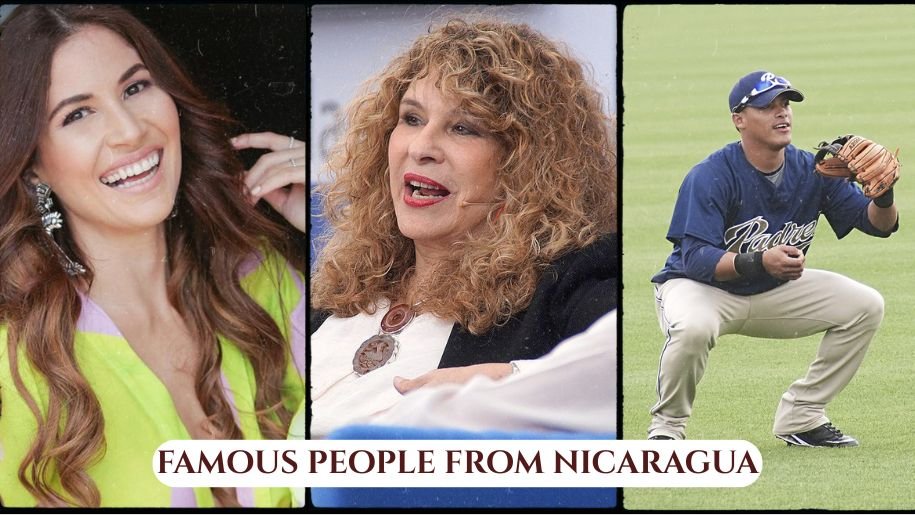

Nicaragua, the largest country in Central America, has a rich cultural and historical heritage that has produced many influential personalities. Despite being a relatively small nation in terms of population, Nicaragua has made significant contributions to literature, politics, sports, art, and global activism through its remarkable individuals. From revolutionary poets who reshaped Spanish-language literature to world-champion athletes who brought international recognition to the country, Nicaraguan figures have played important roles both domestically and internationally.
The country’s complex political history, vibrant cultural traditions, and deep connection to social justice movements have shaped the achievements of many of its most famous people. Writers have used literature to express national identity, politicians have influenced the direction of the country’s governance, and athletes have inspired pride among millions of fans.
This article explores some of the most famous people from Nicaragua and examines their achievements, contributions, and lasting influence on both the country and the world.
Nicaragua’s Cultural and Historical Influence on Great Personalities
To understand why Nicaragua has produced so many influential figures, it is important to consider the cultural and historical environment in which these individuals emerged. Nicaragua’s society is shaped by a mixture of Indigenous traditions, Spanish colonial heritage, and modern Latin American cultural influences. The country has long valued poetry, storytelling, and intellectual expression.
Throughout the 19th and 20th centuries, Nicaragua experienced political upheaval, revolutions, and social movements. These events inspired many writers and activists to express their ideas through literature and politics. At the same time, sports became a source of national pride, especially boxing and baseball, which allowed Nicaraguan athletes to compete internationally and gain global recognition.
The country’s famous personalities often reflect these influences. Many of them used their talents not only for personal success but also to advocate for social change and national identity.
Rubén Darío: The Father of Modern Spanish Poetry
One of the most important literary figures in the Spanish-speaking world is Rubén Darío. Born in 1867 in the city of Metapa, which is now named Ciudad Darío in his honor, he became one of the most influential poets in Latin American history.
Darío is widely known as the father of the literary movement called Modernismo. This movement transformed Spanish-language poetry by introducing new styles, rhythms, and themes inspired by European symbolism and romanticism. Before Darío’s influence, Spanish poetry was often traditional and conservative in style. His work introduced innovative poetic forms and a deeper exploration of emotion, beauty, and philosophy.
Some of his most famous works include Azul, Prosas profanas, and Cantos de vida y esperanza. These collections of poetry helped redefine literary standards in Spanish literature and influenced writers across Latin America and Spain.
Darío’s contributions extended beyond poetry. He also worked as a journalist and diplomat, traveling widely throughout Europe and Latin America. His writings often reflected his observations of politics, culture, and society. Even today, he is considered a national hero in Nicaragua and a foundational figure in global Hispanic literature.
Gioconda Belli: Literature, Feminism, and Political Activism
Gioconda Belli is another prominent literary figure from Nicaragua who gained international recognition for her novels, poetry, and activism. Born in Managua in 1948, Belli became known for writing that explores themes of love, identity, feminism, and political revolution.
Her career began with poetry that addressed personal and social issues, often focusing on women’s experiences and empowerment. Later, she expanded into novels that blended political history with fictional storytelling.
One of her most well-known novels, The Inhabited Woman, tells the story of a woman involved in a revolutionary movement and reflects the political struggles that Nicaragua experienced during the 20th century. Through her writing, Belli highlights the intersection of personal identity and social change.
In addition to her literary career, she has been active in political movements and human rights advocacy. Her work has been translated into numerous languages and continues to influence readers worldwide. Belli represents the strong tradition of Nicaraguan writers who use literature as a tool for reflection and social commentary.
Ernesto Cardenal: Poetry and Spiritual Leadership
Ernesto Cardenal was another highly respected poet and intellectual from Nicaragua. Born in 1925, he combined literature, spirituality, and political engagement throughout his life.
Cardenal was a Catholic priest and an important figure in the movement known as liberation theology. This movement emphasized the role of the church in addressing social inequality and supporting the poor. His religious beliefs deeply influenced his poetry, which often addressed themes such as justice, faith, and political struggle.
One of his most famous works is The Gospel in Solentiname, a collection of reflections and discussions about faith and social justice among rural communities. He also wrote epic poems that blended historical events with spiritual reflection.
Cardenal served as Nicaragua’s Minister of Culture during the early years of the Sandinista government. His cultural programs encouraged artistic development and helped promote literature and the arts throughout the country. His legacy remains strong as both a spiritual leader and an influential poet.
Alexis Argüello: Nicaragua’s Legendary Boxer
In the world of sports, Alexis Argüello stands out as one of the greatest athletes Nicaragua has ever produced. Born in Managua in 1952, Argüello became a boxing legend known for his powerful punches, disciplined technique, and sportsmanship.
Argüello won world championships in three different weight divisions during the 1970s and 1980s. This achievement made him one of the most successful boxers of his era. His career included numerous memorable fights that showcased his resilience and determination.
Nicknamed “The Explosive Thin Man,” Argüello gained respect not only for his boxing skills but also for his character and humility. After retiring from boxing, he became involved in politics and served as the mayor of Managua.
Argüello remains a symbol of national pride in Nicaragua. His achievements demonstrated that athletes from smaller nations could compete at the highest levels of international sports.
Román “Chocolatito” González: A Modern Boxing Champion
Another Nicaraguan boxer who achieved international fame is Román González, commonly known as “Chocolatito.” Born in 1987, González became one of the most successful fighters of his generation.
González won world championships in multiple weight classes and was frequently ranked among the best pound-for-pound boxers in the world. His fighting style is known for its speed, precision, and relentless pressure.
Unlike many boxers who rely mainly on power, González built his reputation through technical skill and endurance. His impressive record and consistent performance earned him recognition from boxing organizations and fans worldwide.
For many young athletes in Nicaragua, González represents dedication and perseverance. His success continues the country’s proud tradition in the sport of boxing.
Dennis Martínez: Nicaragua’s Baseball Pioneer
While boxing is extremely popular in Nicaragua, baseball is another sport deeply embedded in the country’s culture. One of the most famous Nicaraguan baseball players is Dennis Martínez.
Born in Granada in 1955, Martínez became the first Nicaraguan player to achieve major success in Major League Baseball in the United States. Over his long career, he played for several teams and gained recognition for his pitching skills.
One of the most historic moments of his career occurred in 1991 when he pitched a perfect game. A perfect game in baseball is extremely rare and occurs when a pitcher prevents every opposing player from reaching base during the entire game.
Martínez’s success inspired many young Nicaraguans to pursue baseball professionally. Today, he is widely regarded as a pioneer who opened doors for other players from Nicaragua to enter international baseball.
Bianca Jagger: Human Rights and Global Activism
Bianca Jagger is one of the most internationally recognized figures from Nicaragua outside of sports and literature. Born in Managua in 1945, she became known around the world as a human rights activist and public figure.
Jagger first gained international attention through her marriage to musician Mick Jagger, but she later established her own reputation through her work in human rights advocacy. She founded the Bianca Jagger Human Rights Foundation, which focuses on issues such as environmental protection, indigenous rights, and social justice.
Throughout her career, Jagger has spoken at international forums and collaborated with global organizations to promote human rights and democratic values. Her activism has brought attention to many humanitarian issues around the world.
Her work demonstrates how individuals from Nicaragua have influenced global conversations about justice and human dignity.
Daniel Ortega: A Central Political Figure
Daniel Ortega is one of the most prominent political figures in Nicaragua’s modern history. Born in 1945, he became involved in revolutionary politics at a young age.
Ortega was a member of the Sandinista National Liberation Front, a political movement that sought to overthrow the Somoza dictatorship in Nicaragua. After the Sandinista revolution in 1979, he became one of the leaders of the new government.
He served as president of Nicaragua during the 1980s and returned to power decades later. His leadership has been both influential and controversial, reflecting the complex political history of the country.
Regardless of differing opinions about his policies, Ortega remains a central figure in Nicaragua’s political landscape and has played a major role in shaping the nation’s modern history.
Violeta Barrios de Chamorro: A Historic Female President
Violeta Barrios de Chamorro holds a special place in Nicaragua’s political history. She became the first woman elected as president in the Americas when she won the Nicaraguan presidential election in 1990.
Chamorro’s leadership came at a critical time for the country. Nicaragua had experienced years of conflict and economic challenges, and her presidency focused on promoting peace, reconciliation, and democratic governance.
During her administration, she worked to rebuild national institutions and restore stability to the country. Her leadership demonstrated the important role women can play in political leadership and national development.
Chamorro remains an influential figure in Nicaragua’s political history and is widely respected for guiding the country through a period of transition.
The Global Impact of Nicaraguan Figures
The achievements of famous Nicaraguans extend far beyond the borders of their country. Writers like Rubén Darío and Gioconda Belli influenced global literature. Athletes such as Alexis Argüello and Román González demonstrated excellence in international sports. Political leaders and activists shaped national policies and global human rights discussions.
These individuals collectively represent the diversity of talent found in Nicaragua. Their accomplishments show that a country’s influence on the world is not determined solely by its size or economic power but also by the creativity, courage, and determination of its people.
Conclusion
Nicaragua has produced many remarkable individuals who have left lasting marks in literature, sports, politics, and activism. From the revolutionary poetry of Rubén Darío to the championship victories of Alexis Argüello and Román González, these personalities have shaped the country’s national identity and inspired people worldwide.
Their achievements highlight Nicaragua’s cultural richness and resilience. Whether through artistic expression, athletic excellence, or political leadership, these famous individuals continue to influence generations and bring recognition to their homeland.
The stories of Nicaragua’s famous people remind us that talent and determination can emerge from any corner of the world and that individuals can make meaningful contributions to global culture and society.
Frequently Asked Questions
Who is the most famous person from Nicaragua?
Rubén Darío is often considered the most famous person from Nicaragua because of his immense influence on Spanish-language literature and his role in founding the Modernismo literary movement.
Which Nicaraguan boxer is the most famous?
Alexis Argüello and Román “Chocolatito” González are two of the most famous boxers from Nicaragua. Both achieved multiple world championships and international recognition.
Who was the first female president of Nicaragua?
Violeta Barrios de Chamorro became the first female president of Nicaragua in 1990 and was also the first woman elected president in the Americas.
Are there famous writers from Nicaragua?
Yes, Nicaragua has produced many famous writers, including Rubén Darío, Gioconda Belli, and Ernesto Cardenal, who are widely respected in world literature.
Which Nicaraguan athlete played Major League Baseball?
Dennis Martínez is the most famous Nicaraguan baseball player and is known for pitching a perfect game in Major League Baseball.