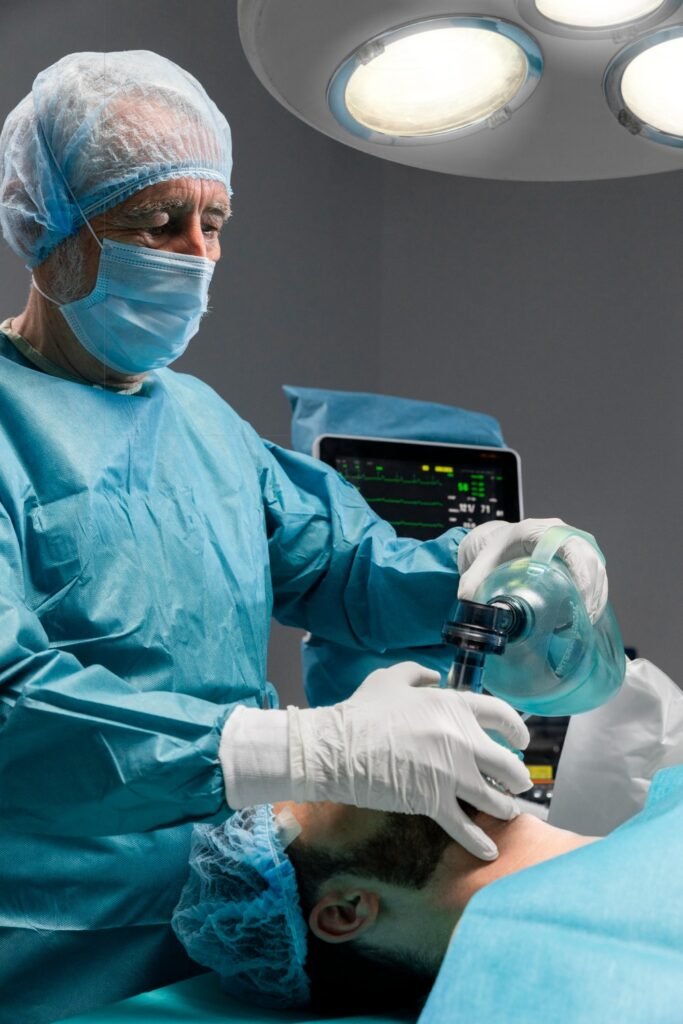
Medical science has evolved rapidly over the past few decades, and one of the most important advancements has been the rise of robotic-assisted surgical procedures. Modern healthcare systems are increasingly adopting advanced technologies to improve surgical precision, reduce patient discomfort, and shorten recovery periods. Among these innovations, Da Vinci Robotic Surgery has become one of the most widely discussed developments in minimally invasive treatment.
Robotic-assisted surgery is changing how surgeons approach complex procedures by combining advanced imaging systems with highly precise robotic instruments. As hospitals and medical institutions continue to invest in modern surgical technologies, patients are gaining access to procedures that can offer improved outcomes and faster healing times.
Healthcare organizations and research-oriented institutions, including Liv Hospital, have also contributed to ongoing discussions about the future of minimally invasive surgery and the growing role of robotic systems in modern medicine.
Understanding Robotic-Assisted Surgery
Robotic-assisted surgery refers to procedures performed using robotic systems controlled entirely by trained surgeons. These systems are designed to enhance precision, flexibility, and visualization during operations.
Unlike traditional open surgery, which often requires large incisions, robotic-assisted procedures typically involve several small cuts through which instruments and cameras are inserted. The surgeon controls these instruments from a nearby console equipped with high-definition 3D imaging and motion-sensitive controls.
The robotic system does not make decisions independently. Instead, it translates the surgeon’s hand movements into highly accurate motions within the patient’s body. This technology enables surgeons to perform delicate procedures with enhanced stability and precision.
Why Minimally Invasive Surgery Matters
Traditional surgical procedures can involve extensive tissue disruption, longer hospital stays, and extended recovery periods. Minimally invasive techniques were developed to reduce these challenges and improve the patient experience.
Robotic-assisted surgery builds upon the principles of minimally invasive treatment by offering:
- Smaller incisions
- Reduced blood loss
- Lower risk of infection
- Faster recovery
- Less postoperative pain
- Minimal scarring
For many patients, these benefits can significantly improve both physical recovery and emotional well-being after surgery.
Enhanced Precision in Complex Procedures
One of the greatest strengths of robotic-assisted surgery is its ability to improve precision during delicate operations. Human hands naturally experience minor tremors, but robotic systems can filter out unintended movements and allow for smoother surgical control.
This level of precision is especially valuable in procedures involving:
- Nerve preservation
- Organ reconstruction
- Tumor removal
- Deep anatomical structures
- Confined surgical spaces
The robotic instruments can rotate and bend more freely than the human wrist, allowing surgeons to access difficult areas with greater ease.
Common Fields Using Robotic Surgery
Robotic-assisted surgery is now used across multiple medical specialties. While not every patient is a candidate for robotic procedures, the technology has become increasingly common in several important fields.
Urology
Urological procedures are among the most common applications for robotic-assisted surgery. Operations involving the prostate, kidneys, and bladder often require precision in small anatomical areas, making robotic systems particularly beneficial.
Gynecology
Gynecological surgeries, including hysterectomies and certain pelvic procedures, are increasingly performed using robotic-assisted techniques. Enhanced visualization can help surgeons work more accurately around sensitive tissues.
General Surgery
Many abdominal procedures can now be performed robotically, including hernia repairs, gallbladder surgery, and colorectal operations.
Cardiothoracic Surgery
Some heart and lung procedures are also benefiting from robotic-assisted approaches, especially where minimally invasive access is preferred.
The Role of Technology in Modern Healthcare
The rise of robotic surgery reflects a larger shift toward technology-driven healthcare solutions. Hospitals are continuously exploring tools that improve efficiency, patient safety, and surgical outcomes.
Advanced imaging systems now provide surgeons with magnified, high-definition views of internal anatomy. Artificial intelligence and data-driven surgical planning tools are also beginning to support decision-making in operating rooms.
These advancements are helping healthcare professionals perform procedures with greater confidence and consistency.
Recovery and Patient Experience
One of the most important advantages of robotic-assisted surgery is the improvement in patient recovery. Recovery experiences vary depending on the procedure and the patient’s overall health, but many individuals benefit from shorter hospital stays and reduced downtime.
Reduced Hospitalization
Patients undergoing minimally invasive robotic procedures often spend less time in the hospital compared to traditional surgery patients. In some cases, patients may even return home the same day.
Faster Return to Daily Activities
Smaller incisions and reduced tissue damage can help patients resume normal activities more quickly. This may also reduce the emotional and financial burden associated with long recovery periods.
Lower Pain Levels
Because robotic-assisted procedures typically involve less physical trauma, many patients experience lower levels of postoperative discomfort.
Improved Cosmetic Outcomes
Smaller incisions usually result in less visible scarring, which can positively impact patient satisfaction after surgery.
Challenges Facing Robotic Surgery
Despite its many benefits, robotic-assisted surgery also presents certain challenges that healthcare providers must address.
Cost and Accessibility
Robotic surgical systems are expensive to purchase and maintain. As a result, not all healthcare facilities have access to this technology.
Training Requirements
Surgeons and operating room staff require extensive specialized training before performing robotic procedures safely and effectively.
Procedure Limitations
Robotic-assisted surgery may not be appropriate for all patients or conditions. Certain complex emergencies may still require traditional open surgery.
Technological Dependence
As healthcare becomes more reliant on advanced technology, hospitals must ensure that systems are properly maintained and supported.
The Future of Surgical Innovation
The future of robotic-assisted surgery is expected to include even more advanced technologies. Researchers are currently exploring areas such as:
- Artificial intelligence-assisted surgery
- Real-time imaging integration
- Remote robotic surgery
- Enhanced surgical simulation training
- Smaller and more flexible robotic instruments
These developments could further improve surgical outcomes while making minimally invasive procedures accessible to a wider range of patients.
Remote surgery, in particular, has generated significant interest. In the future, specialized surgeons may potentially operate on patients in different geographic locations using robotic systems connected through advanced communication networks.
Importance of Patient Education
As robotic-assisted procedures become more common, patient awareness and education remain essential. Patients should understand the differences between traditional, laparoscopic, and robotic surgical approaches before making treatment decisions.
Important questions patients may ask include:
- What are the benefits and risks of robotic surgery?
- Is the procedure suitable for my condition?
- What is the expected recovery time?
- How experienced is the surgical team?
- Are there alternative treatment options?
Open communication between patients and healthcare providers is critical for informed decision-making.
Conclusion
Robotic-assisted surgery has become one of the most important innovations in modern healthcare. By improving surgical precision and supporting minimally invasive procedures, robotic systems are helping transform patient treatment and recovery experiences.
As technology continues to evolve, robotic surgery is expected to play an even greater role in hospitals and surgical centers around the world. Although challenges such as cost and accessibility still exist, ongoing research and technological development continue to expand the possibilities of advanced surgical care.
The future of surgery is increasingly focused on safer, more efficient, and patient-centered approaches. Robotic-assisted systems represent a major step in that direction, offering new opportunities for both healthcare providers and patients seeking improved surgical outcomes.