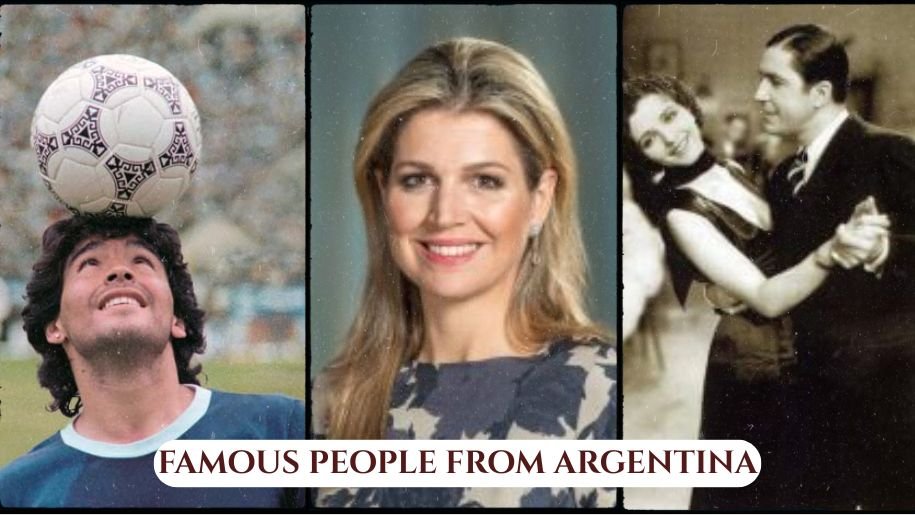

Argentina is a country known for its vibrant culture, rich history, and global influence in sports, politics, literature, music, science, and religion. Over the years, many individuals from Argentina have gained worldwide recognition for their achievements and contributions to society. From legendary football players and revolutionary leaders to influential writers and artists, Argentine personalities have shaped not only their nation but also the global cultural and political landscape.
This article explores some of the most famous people from Argentina and explains their achievements, impact, and the reasons they remain significant today.
Argentina’s Global Influence Through Its People
Argentina has long been a nation that produces exceptional talent. The country’s strong traditions in education, sports, art, and political activism have allowed many of its citizens to achieve international fame. Argentine figures have influenced fields such as literature, music, sports, revolutionary politics, and religious leadership.
What makes Argentina unique is the diversity of its influential personalities. Some of them became icons through artistic and intellectual achievements, while others became symbols of social change or global sports excellence. Their legacies continue to shape Argentina’s national identity and inspire millions of people worldwide.
Lionel Messi: Argentina’s Greatest Football Icon
One of the most famous people from Argentina is Lionel Messi, widely considered one of the greatest football players in history. Born in Rosario in 1987, Messi showed exceptional talent from a very young age. Despite being diagnosed with a growth hormone deficiency during childhood, he pursued his passion for football and eventually became one of the most successful athletes ever.
Messi’s professional career rose to international fame when he joined FC Barcelona, where he spent most of his career and won numerous titles including multiple league championships and European trophies. His technical ability, vision, dribbling skills, and goal-scoring record made him a global superstar.
However, his greatest achievement came when he led the Argentina national team to victory in the 2022 FIFA World Cup. This victory fulfilled a lifelong dream for Messi and solidified his legacy as one of the greatest players of all time. Today, Messi is not only a sports icon but also a symbol of dedication, perseverance, and national pride for Argentina.
Diego Maradona: A Football Legend and Cultural Symbol
Another legendary Argentine football player is Diego Maradona. Born in Buenos Aires in 1960, Maradona became famous for his extraordinary talent and charismatic personality. He is remembered as one of the most gifted football players the world has ever seen.
Maradona’s most iconic moment occurred during the 1986 FIFA World Cup, where he led Argentina to victory. During that tournament, he scored two of the most famous goals in football history against England. One of these was controversially known as the “Hand of God,” while the other showcased an incredible solo run past multiple defenders.
Maradona became a hero in Argentina and was deeply loved by fans around the world. Despite controversies in his personal life, his impact on football and Argentine culture remains immense. He is remembered not just as a player but as a symbol of passion and national pride.
José de San Martín: The Hero of South American Independence
One of the most respected historical figures from Argentina is José de San Martín. Born in 1778, San Martín played a crucial role in the fight for independence from Spanish colonial rule.
He is often called the “Liberator of South America” because of his leadership in freeing Argentina, Chile, and Peru from Spanish control. His military strategies and determination helped shape the independence movements across the continent.
San Martín’s leadership was not only strategic but also visionary. He believed strongly in freedom and self-determination for the people of Latin America. Today, he is remembered as a national hero and one of the most influential leaders in South American history.
Eva Perón: The Voice of the Argentine People
Eva Perón, popularly known as Evita, is one of Argentina’s most iconic political figures. She was the wife of Argentine president Juan Perón and became famous for her dedication to helping the poor and working-class citizens.
Born into poverty, Eva Perón understood the struggles faced by ordinary people. As First Lady, she used her influence to promote workers’ rights, women’s suffrage, and social welfare programs.
She also created charitable foundations that provided housing, healthcare, and financial assistance to thousands of people. Although she died at a young age in 1952, her legacy continues to influence Argentine politics and society. Evita remains a powerful symbol of compassion, social justice, and political activism.
Jorge Luis Borges: A Literary Genius
Argentina has also produced world-renowned writers, and among the most famous is Jorge Luis Borges. Born in Buenos Aires in 1899, Borges became one of the most influential literary figures of the twentieth century.
His works often explored philosophical themes such as time, infinity, identity, and reality. Borges was known for his short stories and essays that blended imagination with intellectual depth. His collections, including Ficciones and The Aleph, are considered masterpieces of world literature.
Borges’ writing style inspired generations of writers and scholars. Although he never won the Nobel Prize in Literature, his impact on modern literature is undeniable. He remains one of Argentina’s most celebrated cultural figures.
Che Guevara: A Revolutionary Figure
One of the most famous revolutionary figures born in Argentina is Che Guevara. Born in Rosario in 1928, Guevara became a central figure in the Cuban Revolution.
Originally trained as a doctor, Guevara traveled across Latin America and witnessed widespread poverty and inequality. These experiences shaped his political beliefs and led him to join revolutionary movements seeking social change.
He worked closely with Cuban leader Fidel Castro to overthrow the Cuban government in 1959. After the revolution, Guevara became an important political leader in Cuba.
Although his methods and ideology remain controversial, Che Guevara became an international symbol of rebellion, resistance, and revolutionary ideals.
Pope Francis: Argentina’s Global Religious Leader
One of Argentina’s most influential modern figures is Pope Francis. Born Jorge Mario Bergoglio in Buenos Aires in 1936, he became the first Latin American pope in the history of the Catholic Church.
He was elected pope in 2013 and quickly gained international attention for his humility, compassion, and commitment to social justice. Pope Francis has focused on issues such as poverty, climate change, and global inequality.
His leadership style emphasizes simplicity and connection with ordinary people. As a spiritual leader to millions of Catholics worldwide, he has become one of the most recognizable religious figures of the modern era.
Carlos Gardel: The King of Tango
Music is an essential part of Argentine culture, and Carlos Gardel is widely considered the greatest tango singer of all time. Gardel played a major role in popularizing tango music internationally during the early twentieth century.
His songs and performances helped define the golden age of tango. Gardel’s smooth voice and emotional singing style made him beloved by audiences around the world.
Even decades after his death, his music continues to represent the heart and soul of Argentine culture. In Argentina, Gardel remains a legendary figure associated with national identity and musical heritage.
Juan Manuel Fangio: The Formula One Champion
Argentina has also made history in motorsports through Juan Manuel Fangio. Born in 1911, Fangio became one of the most successful drivers in the history of Formula One.
He won five world championships during the 1950s, a record that remained unbeaten for decades. Fangio was admired for his skill, strategic intelligence, and calm driving style.
His achievements placed Argentina on the global motorsports map and inspired future generations of racing drivers.
The Lasting Legacy of Argentina’s Famous Figures
The people highlighted in this article represent only a small portion of the remarkable individuals who have emerged from Argentina. Each of them has contributed to shaping the country’s identity and international reputation.
Athletes like Messi and Maradona brought pride and excitement to millions of fans. Political leaders such as San Martín and Eva Perón influenced national development and social justice. Writers like Borges expanded the boundaries of literature, while musicians like Gardel preserved Argentina’s artistic traditions.
Meanwhile, figures like Che Guevara and Pope Francis impacted global politics and religion, demonstrating how Argentine personalities can influence the world beyond their national borders.
These individuals show how talent, determination, and creativity can transform a nation’s cultural and historical legacy.
Frequently Asked Questions
Who is the most famous person from Argentina?
Many people consider Lionel Messi the most famous Argentine today because of his extraordinary football achievements and global popularity.
Why is Diego Maradona important in Argentina?
Diego Maradona is important because he led Argentina to victory in the 1986 World Cup and became a national hero due to his exceptional football talent.
Who is Argentina’s most famous historical leader?
José de San Martín is widely regarded as Argentina’s most important historical leader because he played a key role in securing independence from Spain.
Which Argentine writer is internationally famous?
Jorge Luis Borges is one of the most internationally famous Argentine writers, known for his philosophical stories and influence on modern literature.
Why is Che Guevara associated with Argentina?
Che Guevara was born in Argentina and later became a revolutionary leader who helped lead the Cuban Revolution, making him a global political symbol.