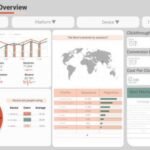

In today’s digital landscape, simply having a website is not enough. Millions of websites compete for visibility on search engines, and success depends on understanding how users find, interact with, and respond to your content. This is where SEO analytics becomes essential.
SEO analytics is not just about tracking rankings or counting visitors. It is a structured approach to collecting and interpreting data so you can make informed decisions that improve your search engine performance. It transforms SEO from guesswork into a measurable, strategic process.
This article explores SEO analytics in depth—what it is, how it works, what metrics matter, and how you can use it effectively to grow your online presence.
What is SEO Analytics?
SEO analytics refers to the process of gathering, analyzing, and interpreting data related to a website’s performance in search engines. The goal is to understand how users find your website, how they interact with it, and how you can improve visibility and results.
It combines multiple data sources, including:
- Search engine data (keywords, rankings, impressions)
- Website behavior data (clicks, sessions, engagement)
- Technical performance (site speed, indexing issues)
- Backlink and authority data
By analyzing this data, businesses and marketers can identify strengths, weaknesses, and opportunities within their SEO strategy.
Why SEO Analytics is Important
Without analytics, SEO efforts are largely based on assumptions. You may publish content, optimize pages, or build links, but you will not truly know what is working.
SEO analytics provides clarity and direction. It allows you to measure performance, identify trends, and make adjustments that lead to better results.
One of its biggest advantages is that it connects SEO efforts to real outcomes. Instead of focusing only on rankings, you can understand how search traffic contributes to leads, sales, or other goals.
It also helps you stay competitive. Search engines constantly evolve, and user behavior changes over time. Analytics allows you to adapt quickly and stay ahead.
The Core Components of SEO Analytics
SEO analytics is not a single activity but a process that involves several interconnected steps.
Data Collection
The first step is gathering accurate and relevant data. This includes information about website traffic, keyword performance, backlinks, and technical health.
Data collection must be consistent and reliable. If your data is incomplete or inaccurate, your analysis will lead to poor decisions.
Data Analysis
Once data is collected, the next step is to interpret it. This involves identifying patterns, trends, and anomalies.
For example, you might notice that a specific page is receiving high traffic but low conversions. This insight can guide you to improve that page’s content or design.
Reporting and Visualization
Data becomes useful only when it is understandable. SEO analytics often involves creating reports or dashboards that present information clearly.
These reports help stakeholders understand performance and make informed decisions without needing deep technical knowledge.
Key Metrics in SEO Analytics
SEO analytics relies on a variety of metrics, each serving a different purpose. Understanding these metrics is crucial for effective analysis.
Organic Traffic
Organic traffic refers to visitors who arrive at your website through search engines without paid advertising.
It is one of the most fundamental metrics because it reflects your overall visibility in search results. A steady increase in organic traffic usually indicates that your SEO strategy is working.
However, traffic alone is not enough. It must be analyzed alongside other metrics to understand its quality and impact.
Keyword Rankings
Keyword rankings show where your website appears in search engine results for specific queries.
Tracking rankings helps you understand which keywords are driving visibility and which ones need improvement. It also allows you to monitor the impact of optimization efforts.
It is important to focus not just on high-volume keywords but also on relevant and intent-driven keywords.
Click-Through Rate (CTR)
CTR measures the percentage of users who click on your website after seeing it in search results.
A high CTR indicates that your title and description are compelling and relevant. A low CTR may suggest that your listing needs improvement.
This metric bridges the gap between visibility and actual traffic.
Engagement Metrics
Engagement metrics provide insights into how users interact with your website. These include:
- Bounce rate
- Average session duration
- Pages per session
These metrics help you evaluate the quality of your content and user experience. For example, a high bounce rate may indicate that users are not finding what they expected.
Conversion Rate
Conversion rate measures how many visitors complete a desired action, such as making a purchase or filling out a form.
This is one of the most important metrics because it connects SEO performance to business outcomes. High traffic with low conversions may indicate a mismatch between user intent and content.
Technical Metrics
Technical SEO metrics focus on the health and performance of your website. These include:
- Page load speed
- Mobile usability
- Crawl errors
- Indexing status
Technical issues can prevent search engines from properly accessing and ranking your website, making this aspect critical.
Backlink Metrics
Backlinks are links from other websites pointing to your site. They are a key factor in search engine ranking algorithms.
SEO analytics tracks the number, quality, and relevance of backlinks. Strong backlinks can significantly improve your authority and rankings.
Tools Used in SEO Analytics
SEO analytics relies on specialized tools to collect and analyze data. These tools vary in complexity and functionality.
Some tools focus on user behavior and traffic analysis, while others specialize in keyword tracking or backlink analysis.
A comprehensive SEO strategy often uses multiple tools together to gain a complete picture of performance.
The effectiveness of these tools depends not just on their features but on how well you interpret and apply the data they provide.
How SEO Analytics Improves Strategy
SEO analytics is not just about tracking performance; it is about improving strategy.
One of the key benefits is identifying opportunities. By analyzing keyword data, you can discover new topics to target or gaps in your content.
It also helps prioritize efforts. Instead of trying to optimize everything at once, you can focus on areas that will have the greatest impact.
Another important aspect is testing and optimization. SEO analytics allows you to experiment with changes and measure their results. For example, you can update a page and track how its rankings and traffic change over time.
Common Challenges in SEO Analytics
Despite its benefits, SEO analytics comes with challenges.
One common issue is data overload. With so many metrics available, it can be difficult to determine what truly matters. Focusing on key performance indicators aligned with your goals is essential.
Another challenge is data accuracy. Tracking tools may have limitations or discrepancies, which can affect your analysis.
Interpreting data correctly is also critical. Misinterpretation can lead to poor decisions and wasted effort.
Finally, SEO is influenced by many external factors, such as algorithm updates and competitor actions. This makes it important to view analytics in context rather than in isolation.
Best Practices for Effective SEO Analytics
To get the most out of SEO analytics, it is important to follow best practices.
Start by defining clear goals. Whether your objective is to increase traffic, generate leads, or boost sales, your analytics should align with these goals.
Consistency is also important. Regular monitoring helps you identify trends and respond quickly to changes.
Another best practice is to focus on actionable insights. Data is only valuable if it leads to meaningful improvements.
It is also important to integrate SEO analytics with other data sources, such as marketing and sales data. This provides a more complete understanding of performance.
The Future of SEO Analytics
SEO analytics is evolving alongside changes in technology and user behavior.
Artificial intelligence and machine learning are playing a growing role in data analysis. These technologies can identify patterns and predict trends more efficiently than traditional methods.
Voice search and mobile usage are also influencing how data is collected and analyzed. As user behavior changes, SEO analytics must adapt to new types of queries and interactions.
Privacy regulations and changes in data tracking are another important factor. Marketers must find ways to gather insights while respecting user privacy.
Despite these changes, the core principle of SEO analytics remains the same: using data to make better decisions.
Conclusion
SEO analytics is the backbone of a successful SEO strategy. It provides the insights needed to understand performance, identify opportunities, and achieve meaningful results.
By focusing on the right metrics, using appropriate tools, and applying data-driven insights, businesses can improve their visibility and stay competitive in search engine rankings.
It is not just about collecting data but about understanding and using it effectively. When done correctly, SEO analytics turns information into action and strategy into success.
Frequently Asked Questions
What is the main purpose of SEO analytics?
The main purpose of SEO analytics is to measure and analyze website performance in search engines so that improvements can be made based on data rather than assumptions.
Which metric is most important in SEO analytics?
There is no single most important metric. The significance of each metric depends on your goals, but organic traffic, conversions, and keyword rankings are commonly prioritized.
How often should SEO analytics be reviewed?
SEO analytics should be reviewed regularly, often weekly or monthly, to monitor trends and make timely adjustments.
Can SEO analytics improve conversions?
Yes, by analyzing user behavior and identifying issues, SEO analytics can help optimize content and user experience, leading to higher conversion rates.
Is SEO analytics only for experts?
No, while it can be complex, even beginners can use basic analytics tools to gain valuable insights and improve their SEO performance.