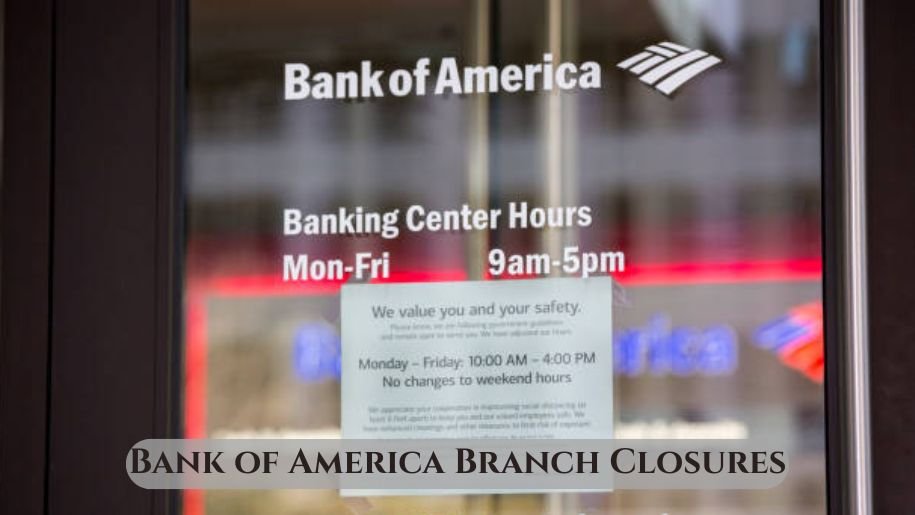

Over the past decade, the banking industry in the United States has undergone significant structural changes. One of the most visible developments has been the gradual reduction of physical bank branches across the country. Among the largest financial institutions experiencing this shift is Bank of America, one of the biggest banking organizations in the United States with millions of customers and thousands of financial centers nationwide.
Branch closures at Bank of America have attracted attention from customers, regulators, and industry analysts alike. While many people still rely on physical branches for financial services, the rapid growth of digital banking, mobile apps, and automated financial tools has changed how people interact with banks. As a result, many traditional banking locations are no longer seeing the same level of customer traffic that they once did.
However, the closure of bank branches is not simply about reducing physical locations. It reflects a broader transformation in the financial services industry where banks are adapting to modern consumer behavior, technological innovation, and economic pressures.
This article explores the trend of Bank of America branch closures in detail, including the reasons behind these decisions, the impact on customers and communities, the broader banking industry context, and what the future might look like for physical bank branches.
Understanding Bank of America’s Branch Network
Bank of America operates one of the largest retail banking networks in the United States. For decades, physical branches have served as the backbone of the bank’s customer service infrastructure. These financial centers provided services such as account opening, loan consultations, cash transactions, investment advice, and customer support.
Historically, large branch networks were seen as a competitive advantage. Customers valued convenience and accessibility, and banks invested heavily in opening branches across cities, suburbs, and rural areas. A widespread physical presence helped banks attract deposits, build relationships with customers, and strengthen brand recognition.
However, the role of branches has evolved dramatically. Today, most routine banking activities no longer require a visit to a branch. Customers can transfer money, deposit checks, pay bills, apply for loans, and manage investments directly through online platforms and mobile apps.
As digital banking adoption continues to grow, many branches have experienced a significant decline in daily foot traffic. This shift has led Bank of America to reconsider the size and structure of its branch network.
The Rise of Digital Banking
One of the primary reasons behind branch closures is the rapid rise of digital banking services. Over the last decade, technological advancements have transformed the way consumers interact with financial institutions.
Mobile banking applications now allow customers to perform nearly all traditional banking tasks from their smartphones. Features such as mobile check deposit, instant transfers, automated payments, and account alerts have reduced the need for in-person visits.
Bank of America has heavily invested in digital innovation, including its mobile banking platform and virtual assistant technologies that help customers manage their finances more efficiently. As more customers adopt these digital tools, the demand for physical branch services naturally declines.
In many regions, banks have reported that the majority of customer interactions now occur through digital channels rather than inside branches. This change in behavior has encouraged banks to streamline their physical operations and focus resources on technology-driven services.
Economic and Operational Factors Behind Branch Closures
While digital banking plays a major role in branch closures, several other economic and operational factors also contribute to the trend.
Operating a physical bank branch involves significant expenses. These include building leases or property costs, employee salaries, security systems, utilities, maintenance, and regulatory compliance. When customer traffic declines, maintaining these locations can become financially inefficient.
Banks must constantly evaluate whether each branch generates enough business activity to justify its operational costs. In areas where customer visits have dropped substantially, banks may decide to close or consolidate branches.
Another factor is geographic overlap. In large metropolitan areas, multiple branches may exist within a short distance of each other. Banks often choose to merge nearby locations into a single modern financial center that offers a wider range of services and updated technology.
Additionally, demographic changes can influence branch decisions. Population shifts, urban development, and changing economic conditions may alter the demand for banking services in certain neighborhoods.
Consolidation and Modernization of Financial Centers
Bank of America’s strategy does not simply involve closing branches without replacement. Instead, the bank is reshaping its branch network by consolidating older locations and investing in modern financial centers.
Modern banking centers are designed to focus less on routine transactions and more on advisory services. Instead of traditional teller counters dominating the layout, newer branches emphasize private consultation areas where customers can receive financial guidance.
These upgraded locations often provide services such as:
- Mortgage consultations
- Investment planning
- Small business banking support
- Financial education and planning
Routine transactions like deposits, withdrawals, and transfers are increasingly handled through ATMs, mobile apps, or automated machines inside the branch.
By redesigning the branch experience, Bank of America aims to make physical locations more valuable for complex financial needs while allowing digital platforms to handle everyday transactions.
Geographic Patterns of Branch Closures
Branch closures do not occur uniformly across the country. Some regions experience more closures than others depending on local economic conditions, customer behavior, and branch density.
Urban areas often see consolidation when multiple branches exist close to each other. In these cases, banks may close one location while keeping another nearby open.
Suburban areas may also experience closures if customer visits decline due to increased reliance on digital banking.
In some cases, closures affect smaller communities where banks decide that maintaining a physical location is no longer economically viable. These decisions can sometimes raise concerns about access to financial services, particularly for populations that rely heavily on in-person banking.
Impact on Customers
The closure of bank branches can affect customers in several ways, depending on their banking habits and technological comfort level.
For customers who primarily use online or mobile banking, branch closures may have little impact. Many digital users rarely visit branches and can manage their financial activities entirely through digital platforms.
However, some customers still rely on physical locations. This group may include:
- Older adults who prefer in-person service
- Small business owners who handle cash transactions
- Customers seeking personalized financial advice
- Individuals without reliable internet access
When branches close, these customers may need to travel further to access banking services or adjust to digital alternatives.
Banks typically notify customers in advance before closing a branch and provide information about nearby locations or digital service options.
Community Concerns and Banking Access
Branch closures sometimes raise concerns about financial accessibility in certain communities. When banks reduce their physical presence in an area, residents may worry about losing convenient access to financial services.
This issue is particularly important in communities where residents may have limited access to technology or transportation. In such cases, the loss of a nearby branch can create challenges for individuals who depend on in-person assistance.
Regulators and community groups often monitor branch closures to ensure that banks continue to provide fair access to financial services. Banks may also work with local leaders to address concerns and offer alternative solutions such as expanded ATM networks or financial education programs.
Industry-Wide Banking Transformation
Bank of America is not the only institution reducing its branch network. The entire banking industry has been undergoing similar changes as technology reshapes financial services.
Large national banks, regional banks, and even some community banks have closed branches in recent years. This trend reflects broader changes in how consumers manage money.
Digital payment systems, peer-to-peer transfer services, and online financial tools have become widely accepted. Many people now expect banking to be as convenient as other digital services such as shopping, entertainment, and communication.
As a result, banks are prioritizing investments in technology infrastructure rather than expanding traditional branch networks.
Future of Physical Bank Branches
Although branch closures are increasing, physical bank branches are unlikely to disappear completely. Instead, their role is evolving.
Branches are expected to become more specialized and service-oriented rather than transaction-focused. Future banking centers may resemble financial advisory hubs where customers receive guidance on major financial decisions such as buying homes, planning retirement, or growing businesses.
Banks may also integrate more technology into branch environments, including video consultations, digital kiosks, and advanced self-service machines.
At the same time, digital banking will continue to expand. Mobile apps, artificial intelligence, and automation will play a larger role in customer service and financial management.
The future banking model will likely combine both digital convenience and strategic physical locations.
Bank of America’s Long-Term Strategy
Bank of America continues to balance digital innovation with physical presence. The bank has invested billions of dollars in improving its technology platforms while also upgrading selected branch locations.
Instead of maintaining a large number of smaller branches, the bank is focusing on high-quality financial centers in strategic locations. These modern branches aim to provide a more personalized experience while supporting customers with complex financial needs.
This strategy reflects a broader shift in banking where efficiency, technology, and customer experience are prioritized simultaneously.
While some branches may close in the coming years, others will be redesigned to meet evolving customer expectations.
Conclusion
Bank of America branch closures are part of a larger transformation occurring throughout the global banking industry. Advances in digital technology have fundamentally changed how customers interact with financial institutions, reducing the need for routine in-person transactions.
As customer behavior shifts toward online and mobile banking, maintaining large networks of physical branches has become less practical for many banks. Bank of America has responded by consolidating some locations while investing in digital services and modern financial centers.
Although branch closures can create concerns for certain communities, banks are working to balance operational efficiency with accessibility. The future of banking will likely involve a hybrid model where digital platforms handle everyday transactions while strategically located branches provide specialized financial services.
Understanding the reasons behind branch closures helps explain how the banking industry is adapting to technological change and evolving customer expectations.
Frequently Asked Questions
Why is Bank of America closing some of its branches?
Bank of America is closing certain branches primarily due to the growth of digital banking. As more customers use mobile apps and online services for everyday transactions, many physical branches receive fewer visits, making them less necessary to maintain.
Does branch closure mean the bank is in financial trouble?
No, branch closures do not necessarily indicate financial problems. In many cases, banks close branches as part of strategic planning to reduce operational costs and invest more heavily in digital services and modern financial centers.
What happens to customers when a branch closes?
When a branch closes, customers are usually notified in advance and directed to nearby branches or encouraged to use digital banking services. Their accounts and banking services remain unaffected.
Are all bank branches eventually going to close?
It is unlikely that all bank branches will disappear. While the number of branches may decline, physical locations will still play an important role for financial advice, complex transactions, and customer support.
How can customers adapt to branch closures?
Customers can adapt by learning to use online banking tools, mobile apps, ATMs, and customer service support channels. Many banks provide guides and assistance to help customers transition to digital banking.