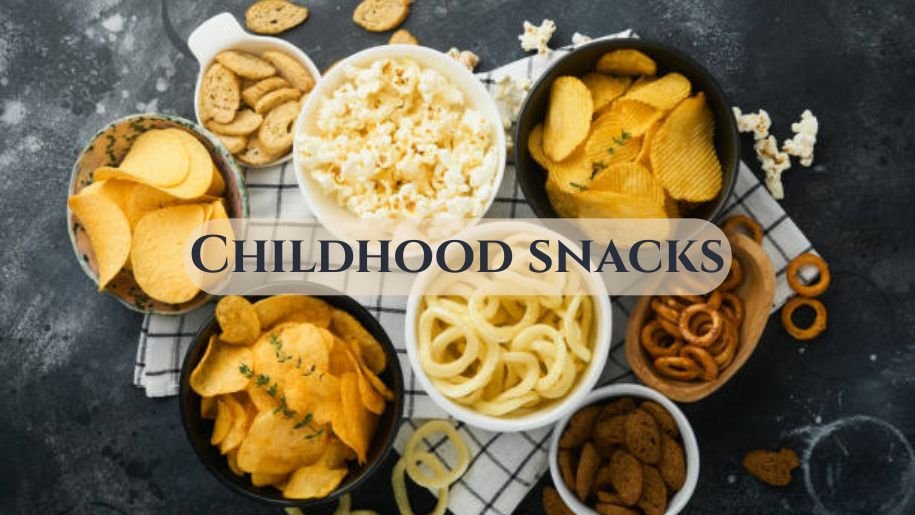

Childhood snacks occupy a special place in both memory and nutrition. They are more than small bites eaten between meals; they represent comfort after school, treats shared with friends, rewards for good behavior, and sometimes even symbols of cultural identity. From lunchbox surprises to corner-store favorites, snacks shape not only children’s taste preferences but also their emotional associations with food. Understanding childhood snacks requires looking at them from multiple angles: history, culture, psychology, marketing, nutrition, and long-term health effects.
In modern households, snacks often make up a significant portion of a child’s daily caloric intake. The choices made during early years can influence eating patterns that extend into adolescence and adulthood. At the same time, snacks provide essential energy for growing bodies and active minds. The story of childhood snacks is therefore a blend of joy, convenience, tradition, and responsibility.
The Historical Evolution of Childhood Snacks
Snacking is not a modern invention. In earlier centuries, children often ate small portions of bread, fruit, nuts, or leftover food between meals, especially in agrarian societies where physical labor required steady energy. However, the concept of packaged, branded snacks designed specifically for children began to grow in the twentieth century. As industrial food production expanded and urban lifestyles became more common, convenience foods started replacing homemade options.
The mid-1900s saw the introduction of mass-produced cookies, crackers, chips, and candies. Advertising began targeting children directly through television and colorful packaging. The rise of school lunch programs and packed lunchboxes also contributed to the popularity of portable snack items. Over time, snack food companies learned how to appeal to young consumers through cartoon mascots, collectible toys, and catchy slogans. These developments changed the way families approached snacking, turning it from a simple necessity into a commercial and cultural phenomenon.
The Emotional and Psychological Connection
Childhood snacks are deeply tied to memory and emotion. A simple cookie or piece of candy can transport an adult back to their early school days or family gatherings. Food memories are powerful because they are often connected to comfort, security, and affection. Many parents use snacks as rewards or expressions of love, which strengthens these emotional links.
Psychologically, children are drawn to bright colors, sweet flavors, and crunchy textures. These sensory experiences provide immediate pleasure and excitement. Over time, repeated exposure to sugary or salty snacks can shape taste preferences, making children more likely to crave those flavors later in life. The emotional comfort associated with certain snacks can also influence stress-related eating patterns as children grow older.
Cultural Diversity in Childhood Snacks
Childhood snacks vary widely across cultures, reflecting local ingredients, traditions, and economic conditions. In many Western countries, cookies, chocolate bars, and potato chips are common choices. In Mediterranean regions, children might snack on olives, yogurt, or fresh fruit. In South Asia, roasted chickpeas, spiced lentils, and homemade sweets are popular. In East Asia, rice crackers, seaweed snacks, and sweet buns often fill lunchboxes.
These cultural differences show that snacking is not inherently unhealthy. In some regions, traditional snacks are rich in nutrients and minimally processed. However, globalization has introduced highly processed snack foods into markets worldwide. As multinational brands expand, traditional snack habits sometimes give way to packaged alternatives high in sugar, salt, and artificial additives.
Despite these changes, many families continue to preserve traditional snack customs. Grandparents may prepare homemade treats using family recipes passed down through generations. Such practices help maintain cultural identity while also offering more control over ingredients and nutritional value.
The Role of Snacks in Growth and Development
Children have high energy needs because they are constantly growing and often physically active. Snacks can help meet these needs by providing additional calories and nutrients between main meals. A balanced snack can stabilize blood sugar levels, support concentration in school, and prevent excessive hunger that might lead to overeating later.
For young children with small stomach capacities, frequent small meals and snacks are often more practical than three large meals. Healthy snack options can supply important nutrients such as calcium for bone development, iron for cognitive function, and fiber for digestive health. When thoughtfully chosen, snacks can complement the main diet and fill nutritional gaps.
However, when snacks consist mainly of sugary drinks, candies, or fried items, they may displace healthier foods. If a child fills up on high-calorie, low-nutrient snacks, they may eat less of the balanced meals prepared at home. This imbalance can affect overall diet quality and potentially contribute to weight gain.
Marketing and Its Influence on Children
The snack food industry invests heavily in marketing directed at children. Bright packaging, animated characters, promotional games, and advertisements during children’s programming all work together to shape preferences. Children often recognize brand logos before they can read, which demonstrates the strong influence of visual marketing.
Peer influence also plays a role. Children may request specific snacks because their friends bring them to school. Social acceptance and the desire to fit in can drive snack choices just as strongly as taste. Parents sometimes feel pressured to purchase popular items to avoid making their child feel left out.
Marketing strategies frequently emphasize fun, excitement, and collectibility rather than nutritional value. As a result, children may associate snacks primarily with entertainment rather than nourishment. This dynamic makes it challenging for families to maintain balanced snack habits in an environment saturated with persuasive advertising.
The Rise of Packaged and Processed Snacks
The convenience of packaged snacks has transformed daily routines. Busy schedules, dual-income households, and long commutes have increased reliance on ready-to-eat foods. Individually wrapped portions are easy to pack, require no preparation, and have long shelf lives. For many families, these qualities make packaged snacks practical and time-saving.
However, processed snacks often contain added sugars, refined grains, unhealthy fats, artificial colors, and preservatives. While not all packaged snacks are unhealthy, many are designed to maximize flavor appeal and shelf stability rather than nutritional benefit. The combination of high sugar and salt content can make these products highly palatable, encouraging repeated consumption.
The growth of convenience stores and vending machines has also expanded access to snack foods. Children may encounter snack options not only at home but also at school, sports events, and community gatherings. This widespread availability increases overall consumption frequency.
Homemade Snacks and Family Traditions
Homemade snacks provide an alternative to processed options. Preparing snacks at home allows families to control ingredients, adjust sweetness levels, and incorporate whole foods. Baking cookies together or preparing fruit-based treats can also become meaningful family activities.
In many households, traditional homemade snacks are tied to celebrations and festivals. Seasonal treats prepared during holidays create anticipation and strengthen cultural connections. These experiences teach children about food preparation and encourage appreciation for natural ingredients.
Homemade snacks can also support healthier eating patterns when they emphasize fruits, whole grains, nuts, and dairy. Even when sweets are prepared, portion sizes and ingredient quality can be managed more effectively at home than in factory-produced items.
Nutritional Challenges and Health Concerns
One of the most significant concerns related to childhood snacks is excessive sugar consumption. Many popular snack items contain high amounts of added sugar, contributing to dental cavities and increased risk of obesity. Sugary beverages, in particular, provide calories without promoting fullness, making it easy for children to consume large quantities.
Salt intake is another issue. Savory snacks such as chips and flavored crackers can contain significant sodium levels. Consistently high sodium consumption during childhood may influence long-term blood pressure regulation.
In addition, frequent snacking without attention to portion size can lead to excess calorie intake. Combined with reduced physical activity in some modern lifestyles, this pattern can contribute to weight-related health problems. On the other hand, overly restricting snacks can create negative relationships with food. Balance is key.
Healthy Snacking Approaches
A healthy approach to childhood snacks focuses on balance rather than elimination. Snacks that combine carbohydrates with protein or healthy fats can provide sustained energy. For example, pairing fruit with yogurt or whole-grain bread with nut butter supports satiety and nutrient intake.
Establishing structured snack times instead of allowing constant grazing helps children recognize hunger and fullness cues. When snacks are treated as part of a planned eating routine rather than spontaneous indulgences, they are less likely to disrupt appetite for main meals.
Parents and caregivers can also model healthy snacking behaviors. Children are more likely to try nutritious foods when they see adults enjoying them. Creating a positive food environment, where a variety of options are available without pressure or shame, supports long-term healthy habits.
The Social Dimension of Snacking
Snacks often play a central role in social settings. Birthday parties, school celebrations, and sports events commonly feature sweet or salty treats. Sharing snacks can strengthen friendships and create joyful experiences. Completely separating children from these social food moments may not be realistic or beneficial.
Instead, teaching moderation and encouraging mindful enjoyment can help children navigate social snacking situations. Understanding that occasional indulgence is part of life, while everyday habits should prioritize nourishment, builds a balanced perspective.
Food also serves as a bridge between generations. Grandparents may introduce grandchildren to traditional snacks from their own childhood, creating continuity and storytelling opportunities. In this way, snacks become vehicles of memory and identity.
Digital Age and Changing Snack Patterns
The digital era has influenced childhood snacking habits in unexpected ways. Increased screen time often coincides with mindless eating. Children who snack while watching television or playing video games may pay less attention to portion size and hunger signals.
At the same time, social media exposes children and parents to new snack trends. Viral recipes, colorful treats, and novelty foods spread rapidly online. Some trends encourage creativity and healthier alternatives, while others promote highly processed or visually appealing but nutritionally poor items.
Online grocery shopping and food delivery services have also made snacks more accessible than ever. With just a few clicks, families can stock up on a wide range of products. This convenience underscores the importance of informed decision-making.
Long-Term Impact of Childhood Snacking Habits
Eating habits formed in childhood often persist into adulthood. Preferences for sweet, salty, or processed foods can become deeply ingrained. Conversely, early exposure to fruits, vegetables, and balanced snacks increases the likelihood of maintaining diverse and nutritious diets later in life.
Research suggests that consistent healthy snacking patterns can support weight management, metabolic health, and overall well-being. On the other hand, habitual consumption of high-sugar snacks may contribute to chronic health conditions over time.
Parents, educators, and policymakers all play roles in shaping snack environments. School nutrition policies, advertising regulations, and public health campaigns influence what options are available and promoted to children.
Finding Balance in Modern Times
The discussion around childhood snacks should not be framed as a battle between good and bad foods. Rather, it should focus on balance, education, and mindful choices. Snacks can bring joy, provide energy, and support growth when thoughtfully selected. They can also become sources of excess calories and poor nutrition when consumed without awareness.
Encouraging children to understand where food comes from, how it fuels their bodies, and why moderation matters helps build lifelong skills. Open conversations about nutrition, rather than strict rules or fear-based messaging, foster healthier relationships with food.
Childhood snacks will always be part of growing up. The goal is not to eliminate treats but to integrate them wisely into an overall pattern of nourishing meals and active living.
Frequently Asked Questions About Childhood Snacks
What are the healthiest snacks for children?
The healthiest snacks are those that provide a balance of nutrients, such as fruits paired with protein sources like yogurt or nuts, whole grains combined with healthy fats, and dairy products rich in calcium. These options support growth and sustained energy.
How often should children have snacks?
Most children benefit from one to three planned snacks per day, depending on age and activity level. Structured snack times help regulate appetite and prevent overeating during meals.
Are packaged snacks always unhealthy?
Not all packaged snacks are unhealthy. Some are made with whole ingredients and minimal added sugar or salt. Reading ingredient labels and understanding portion sizes can help parents choose better options.
Do snacks cause childhood obesity?
Snacks alone do not cause obesity, but frequent consumption of high-calorie, low-nutrient snacks combined with low physical activity can contribute to weight gain. Balanced eating patterns and active lifestyles are important.
How can parents encourage healthier snacking habits?
Parents can provide nutritious options at home, involve children in snack preparation, model healthy eating behaviors, and maintain regular meal and snack schedules to promote balanced habits.