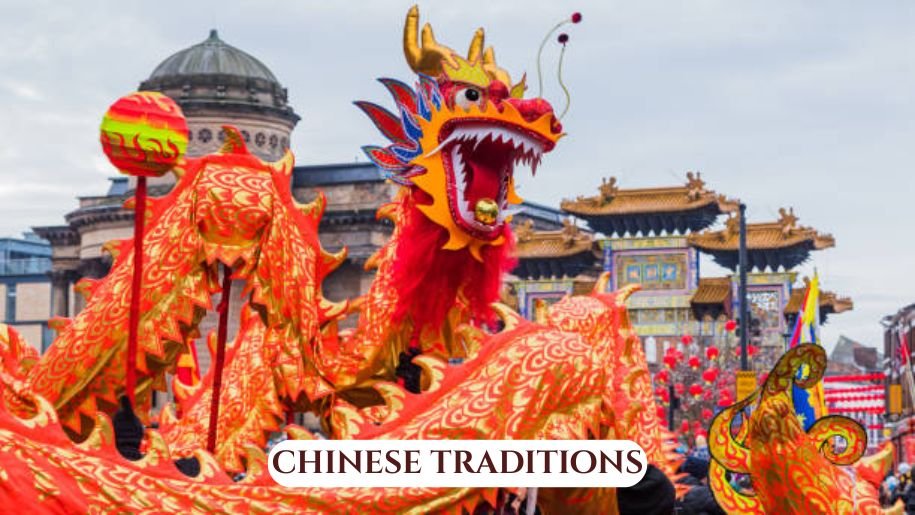

Chinese traditions are among the oldest and most influential cultural practices in the world. Developed over thousands of years, these traditions reflect the social values, philosophical ideas, and historical experiences of the people of China. They influence everyday life, from family relationships and festivals to food, clothing, and rituals. Understanding Chinese traditions provides insight into how one of the world’s oldest continuous civilizations has maintained its cultural identity while adapting to modern changes.
Chinese traditions are deeply connected with family values, respect for elders, harmony in society, and reverence for ancestors. Philosophical systems such as Confucianism, Taoism, and Buddhism have played an important role in shaping these customs. Together, these traditions create a cultural framework that guides behavior, celebrations, and social interactions across generations.
Historical Roots of Chinese Traditions
Chinese traditions have developed over more than five thousand years of recorded history. Ancient dynasties established many of the customs that are still practiced today. During early periods of Chinese civilization, traditions were closely connected to agriculture, seasonal cycles, and spiritual beliefs. Rituals and ceremonies were used to honor ancestors, celebrate harvests, and maintain harmony between humans and nature.
Ancient Chinese society believed strongly in the importance of balance and order. This idea influenced many aspects of life, including social relationships, government, and family structure. Traditions were not simply cultural habits; they were seen as a way to maintain stability and moral discipline in society.
Philosophers such as Confucius emphasized moral behavior, respect for elders, and the importance of education. These teachings shaped Chinese culture for centuries and continue to influence family values and social etiquette today. Over time, traditions evolved as new dynasties rose and fell, but the core values of harmony, respect, and community remained central.
The Importance of Family in Chinese Culture
Family is considered the foundation of Chinese society. Traditional Chinese culture places great emphasis on filial piety, which refers to the respect and devotion children must show toward their parents and elders. This value influences how families interact and how decisions are made within the household.
In traditional Chinese families, elders are highly respected and often play an important role in guiding younger generations. Family members are expected to support one another, maintain strong relationships, and honor their ancestors. Respecting family heritage and maintaining family unity are considered essential responsibilities.
Family gatherings are also an important part of Chinese tradition. Major festivals often revolve around reunions, where relatives come together to share meals, celebrate, and strengthen family bonds. Even in modern times, these gatherings remain a meaningful expression of cultural identity and belonging.
Chinese Festivals and Celebrations
Festivals are a vibrant and essential part of Chinese traditions. Many of these celebrations have been observed for centuries and are deeply connected to mythology, agriculture, and seasonal changes. Festivals provide an opportunity for communities and families to gather, celebrate cultural heritage, and pass traditions on to younger generations.
One of the most important celebrations is the Spring Festival, commonly known as Chinese New Year. It marks the beginning of the lunar calendar and is the most significant holiday in China. Preparations begin days before the celebration as families clean their homes, decorate with red ornaments, and prepare traditional foods. The color red symbolizes good luck and prosperity, so it is commonly used during this festival.
Family reunion dinners are a central part of the celebration. These meals bring together relatives from different places to celebrate the start of a new year together. Fireworks and traditional dances are also common during the festival, symbolizing the driving away of evil spirits and the welcoming of good fortune.
Another important celebration is the Mid-Autumn Festival. This festival is associated with the full moon and symbolizes family unity. Families gather to admire the moon and share traditional pastries known as mooncakes. The round shape of these cakes represents completeness and togetherness.
The Dragon Boat Festival is another traditional event that commemorates an ancient poet and scholar. During this festival, communities hold boat races and prepare special rice dumplings wrapped in bamboo leaves. These activities reflect both historical remembrance and communal celebration.
Traditional Chinese Food Culture
Food plays a central role in Chinese traditions and daily life. Meals are not simply about nourishment but also about social interaction, cultural symbolism, and family bonding. Many traditional dishes carry symbolic meanings, especially during festivals and celebrations.
Chinese dining culture emphasizes sharing. Meals are typically served with several dishes placed in the center of the table so that everyone can enjoy them together. This style of dining reflects the cultural value of unity and collective experience.
Certain foods are associated with specific celebrations. Dumplings are commonly eaten during the Spring Festival because their shape resembles ancient Chinese currency, symbolizing wealth and prosperity. Noodles are often eaten during birthdays and celebrations because their length represents longevity.
Tea is another important element of Chinese food culture. Drinking tea is considered both a daily habit and a cultural ritual. Tea ceremonies emphasize respect, patience, and harmony, and tea is often served when welcoming guests or showing gratitude.
Traditional Chinese Clothing
Traditional Chinese clothing reflects both cultural identity and historical influences. Clothing styles have changed throughout the centuries, but many traditional garments remain symbols of cultural heritage.
One well-known traditional clothing style is Hanfu, which dates back thousands of years. Hanfu garments are characterized by flowing robes, wide sleeves, and elegant designs. They were commonly worn by people during ancient dynasties and represented the aesthetic values of grace and harmony.
Another iconic garment is the cheongsam, also known as qipao. This form-fitting dress became popular in the twentieth century and is often worn during formal occasions and cultural celebrations. It reflects a blend of traditional Chinese design and modern fashion.
Traditional clothing often features intricate embroidery and symbolic patterns. Designs such as dragons, phoenixes, flowers, and clouds represent good fortune, happiness, and prosperity. These decorative elements highlight the cultural significance of clothing in Chinese society.
Chinese Philosophical and Spiritual Traditions
Chinese traditions are deeply influenced by philosophical and spiritual systems that developed over centuries. Three major belief systems—Confucianism, Taoism, and Buddhism—have shaped Chinese cultural values and practices.
Confucianism focuses on moral behavior, respect for authority, and proper social relationships. It emphasizes virtues such as loyalty, righteousness, and respect for elders. Many aspects of Chinese etiquette and family structure are influenced by Confucian teachings.
Taoism emphasizes harmony with nature and the balance between opposing forces. The concept of yin and yang represents the idea that opposite forces in the universe are interconnected and must remain balanced. Taoist philosophy encourages simplicity, humility, and living in accordance with the natural world.
Buddhism, which arrived in China from India centuries ago, also became an important spiritual influence. It introduced ideas about compassion, meditation, and the pursuit of enlightenment. Buddhist temples and rituals are still an important part of Chinese cultural life.
Together, these philosophies form a complex cultural framework that guides ethical behavior, spiritual beliefs, and daily practices.
Ancestor Worship and Respect for Heritage
Respect for ancestors is a key element of Chinese traditions. Many families believe that honoring deceased relatives strengthens family unity and maintains a connection between past and present generations.
Ancestor worship often involves maintaining family altars where offerings such as food, incense, and symbolic items are presented. These rituals express gratitude and respect for those who came before.
One important tradition connected with ancestor worship is tomb sweeping during Qingming Festival. Families visit the graves of their ancestors, clean the burial sites, and offer prayers or symbolic gifts. This practice reflects both remembrance and respect for family heritage.
Through these customs, Chinese culture emphasizes continuity between generations and the importance of remembering one’s roots.
Marriage Traditions and Wedding Customs
Traditional Chinese weddings incorporate a variety of rituals that symbolize happiness, prosperity, and unity. Red is the dominant color used in wedding decorations because it represents joy and good fortune.
In traditional ceremonies, the bride and groom often serve tea to their parents and elders as a gesture of respect and gratitude. This tea ceremony symbolizes the joining of two families and the acceptance of the couple into a new stage of life.
Other wedding traditions include exchanging gifts between families, preparing elaborate banquets, and wearing traditional clothing. While modern weddings may incorporate contemporary elements, many couples still include traditional rituals to honor cultural heritage.
The Role of Art and Cultural Expression
Chinese traditions are also expressed through various forms of art and cultural practices. Calligraphy, painting, music, and traditional theater have played important roles in preserving cultural values and storytelling.
Calligraphy is particularly respected as both an artistic and intellectual practice. Writing Chinese characters with brush and ink requires skill, patience, and discipline. For centuries, calligraphy has been considered a reflection of personal character and education.
Traditional Chinese opera is another cultural expression that combines music, dance, costumes, and storytelling. These performances often depict historical events, myths, and moral lessons, helping to preserve cultural narratives.
Art forms such as paper cutting, lantern making, and ceramic craftsmanship also represent the creativity and heritage of Chinese culture.
Chinese Traditions in Modern Society
Although China has undergone rapid modernization and globalization, many traditional practices remain an important part of daily life. Festivals are still widely celebrated, and family values continue to play a central role in society.
In recent years, there has been renewed interest among younger generations in preserving cultural traditions. Traditional clothing, ancient festivals, and classical arts are experiencing a revival as people seek to reconnect with their cultural roots.
Modern Chinese society often blends tradition with contemporary lifestyles. While technology and urban living have transformed many aspects of life, traditional customs continue to influence social values, celebrations, and family relationships.
Conclusion
Chinese traditions represent a rich cultural heritage shaped by thousands of years of history, philosophy, and social values. From family relationships and festivals to food, clothing, and spiritual beliefs, these traditions provide a meaningful framework for everyday life.
The emphasis on harmony, respect, and community has allowed Chinese culture to maintain continuity across generations. Even as society evolves and adapts to modern influences, traditional customs remain an essential part of cultural identity.
Understanding Chinese traditions not only reveals the depth of Chinese history but also highlights the values that continue to shape one of the world’s most enduring civilizations.
Frequently Asked Questions
What are the most important Chinese traditions?
Some of the most important Chinese traditions include family respect, ancestor worship, traditional festivals such as the Spring Festival and Mid-Autumn Festival, tea culture, and traditional food customs.
Why is family so important in Chinese culture?
Family is central to Chinese culture because traditional values emphasize respect for parents, loyalty to relatives, and maintaining strong family relationships across generations.
What role do festivals play in Chinese traditions?
Festivals help preserve cultural heritage, strengthen family bonds, and celebrate seasonal or historical events. They are important occasions for gatherings, rituals, and traditional foods.
What philosophies influenced Chinese traditions?
Confucianism, Taoism, and Buddhism have all played major roles in shaping Chinese traditions by influencing moral values, spiritual beliefs, and social behavior.
Are Chinese traditions still practiced today?
Yes, many Chinese traditions are still widely practiced today. While modern lifestyles have introduced new influences, traditional customs continue to be celebrated and respected.