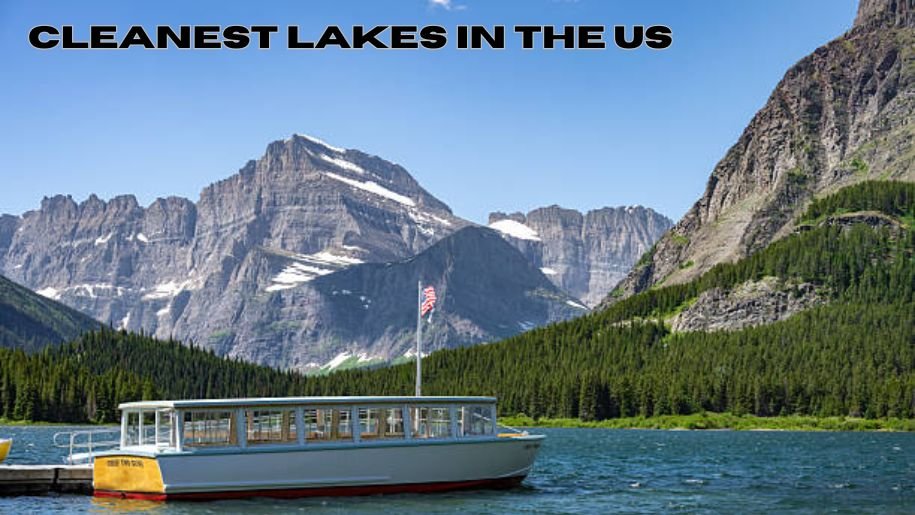

Lakes are among the most beautiful and important natural resources in the United States. They provide drinking water, support wildlife, offer recreational opportunities, and play a key role in maintaining ecological balance. While many lakes across the country face environmental pressures such as pollution, urban development, and climate change, some lakes remain remarkably clean and pristine.
The cleanest lakes in the United States are known for their crystal-clear waters, minimal pollution levels, and carefully protected ecosystems. These lakes often exist in remote or protected areas, where human activity is limited and environmental management is strong. High water clarity, low nutrient levels, and natural filtration from surrounding landscapes help maintain their purity.
This article explores the cleanest lakes in the United States, explains what makes a lake “clean,” and highlights several remarkable examples of lakes that have preserved their pristine condition.
What Makes a Lake “Clean”?
Before examining specific lakes, it is important to understand how scientists determine water cleanliness. Clean lakes are typically evaluated through several scientific measurements and environmental indicators.
Water Clarity
Water clarity is one of the most visible indicators of lake cleanliness. Scientists often measure clarity using a tool called a Secchi disk, which is lowered into the water to determine how far light penetrates. Lakes with high clarity allow sunlight to reach deeper levels, indicating low levels of suspended particles.
Low Nutrient Levels
Excess nutrients such as nitrogen and phosphorus can lead to algae blooms and poor water quality. Clean lakes usually have very low nutrient concentrations, preventing rapid algae growth and maintaining balanced ecosystems.
Minimal Pollution
Clean lakes contain very small amounts of contaminants such as industrial waste, agricultural runoff, or sewage discharge. Strict environmental protection policies and limited human activity help maintain this condition.
Healthy Ecosystems
A clean lake supports diverse fish populations, aquatic plants, and wildlife. Balanced ecosystems indicate that the water environment remains stable and free from significant pollution or disturbance.
Natural Water Sources
Many of the cleanest lakes are fed primarily by rainwater, snowmelt, or underground springs rather than rivers carrying sediment and pollutants.
These factors together determine whether a lake qualifies as one of the cleanest in the country.
Crater Lake: The Clearest Lake in the United States
Formation and Location
Crater Lake, located in Oregon, is widely considered the cleanest and clearest lake in the United States. It formed nearly 7,700 years ago after the collapse of a volcanic mountain known as Mount Mazama. The collapse created a large caldera that later filled with rainwater and snowmelt.
Today, Crater Lake sits within a protected national park and attracts visitors from around the world who come to witness its extraordinary blue waters.
Exceptional Water Clarity
One of the most remarkable features of Crater Lake is its incredible water clarity. Visibility in the lake can exceed 150 feet, allowing observers to see deep into the water. This level of clarity is among the highest recorded in any natural lake on Earth.
Several factors contribute to this exceptional clarity. The lake has no rivers or streams flowing into it, meaning that sediments and pollutants rarely enter the water. Instead, it is replenished almost entirely by rainfall and snow.
Environmental Protection
Crater Lake is protected by strict environmental regulations as part of the national park system. Development around the lake is extremely limited, helping preserve the purity of the water and the surrounding landscape.
Because of these protections, the lake remains one of the most pristine bodies of water in North America.
Lake Tahoe: A Famous Alpine Lake Known for Its Clear Waters
Geographic Setting
Lake Tahoe lies along the border between California and Nevada in the Sierra Nevada mountain range. It is the largest alpine lake in North America and the second deepest lake in the United States.
The lake is famous not only for its size but also for its stunning clarity and vibrant blue color.
Natural Factors Supporting Clean Water
The clarity of Lake Tahoe is largely due to its unique geological setting. The surrounding mountains consist mainly of granite, which produces very little sediment when eroded. This helps prevent large amounts of debris from entering the lake.
Cold water temperatures also play an important role. Cold lakes tend to experience slower biological growth, which limits algae production and keeps the water clearer.
Ongoing Conservation Efforts
Although Lake Tahoe remains one of the cleanest large lakes in the country, it has experienced some declines in clarity over the past several decades due to increased tourism and development.
Environmental organizations and government agencies have implemented major conservation programs to restore and protect the lake’s clarity. These programs include erosion control, stormwater management, and forest restoration.
Thanks to these efforts, Lake Tahoe continues to rank among the cleanest lakes in the United States.
Lake Superior: The Cleanest of the Great Lakes
The Largest Freshwater Lake by Surface Area
Lake Superior is part of the Great Lakes system and forms the border between the United States and Canada. It is the largest freshwater lake in the world by surface area and holds an enormous volume of water.
Because of its immense size and cold climate, Lake Superior maintains relatively clean and clear water compared with many other large lakes.
Cold Temperatures and Natural Dilution
One of the key reasons for Lake Superior’s cleanliness is its cold water temperature. Cold environments slow down the growth of algae and bacteria, helping maintain high water quality.
Additionally, the lake’s massive volume acts as a natural dilution system. Even when small amounts of pollutants enter the lake, they become diluted across a huge body of water.
Environmental Monitoring
Government agencies in both the United States and Canada continuously monitor the health of Lake Superior. Strict regulations control industrial discharges and protect surrounding forests and watersheds.
As a result, Lake Superior remains one of the cleanest large lakes in North America.
Lake Chelan: A Deep and Pristine Mountain Lake
Glacier-Carved Origins
Lake Chelan is located in Washington State and was formed by glaciers thousands of years ago. Stretching approximately 50 miles through the Cascade Mountains, it is one of the deepest lakes in the United States.
The lake’s dramatic mountain setting and limited development help preserve its natural beauty and water quality.
Clear and Cold Waters
The water in Lake Chelan is known for its clarity and purity. The lake’s depth allows colder water to remain trapped at lower levels, creating stable temperature layers that help maintain ecological balance.
The surrounding mountains also act as a natural barrier, limiting the amount of pollution entering the lake.
Tourism and Conservation
Lake Chelan attracts visitors for boating, fishing, and sightseeing, but careful management ensures that tourism does not harm the lake’s ecosystem.
Local authorities and environmental groups continue to monitor water quality and protect the watershed.
Lake George: One of the Cleanest Lakes in the Northeast
A Protected Watershed
Lake George, located in New York’s Adirondack region, is widely recognized as one of the cleanest lakes in the northeastern United States. The lake’s watershed is largely covered by protected forest preserve land.
These forests act as natural filters, preventing pollutants from entering the lake.
Exceptional Water Quality
Lake George’s water is so clean that it is often classified near drinking-water quality. Its clarity and low nutrient levels help maintain healthy fish populations and aquatic ecosystems.
Strong Environmental Management
Strict environmental regulations control development around Lake George. Wastewater treatment systems, shoreline protection rules, and environmental monitoring programs all contribute to preserving the lake’s purity.
These protections ensure that Lake George remains one of the most pristine lakes in the eastern United States.
Other Remarkably Clean Lakes in the United States
While several lakes stand out for their exceptional clarity, many other lakes across the country are also known for their clean waters.
Flathead Lake in Montana is one of the largest natural freshwater lakes in the western United States and is known for its clear water and scenic surroundings.
Torch Lake in Michigan is famous for its bright turquoise color and high water clarity, which resemble tropical waters.
Newfound Lake in New Hampshire is another example of a remarkably clean lake, thanks to strong conservation efforts and limited shoreline development.
These lakes demonstrate that with proper environmental management and natural protection, lakes can maintain high levels of water quality even in regions with growing populations.
Why Protecting Clean Lakes Matters
Clean lakes provide far more than scenic beauty. They are essential to environmental health, human well-being, and economic sustainability.
Drinking Water
Many communities rely on lakes as sources of drinking water. Maintaining clean water ensures safe supplies for millions of people.
Wildlife Habitat
Lakes support diverse ecosystems including fish, birds, amphibians, and aquatic plants. Clean water is necessary for these species to survive and reproduce.
Recreation and Tourism
Swimming, boating, fishing, and tourism generate billions of dollars in economic activity each year. Clean lakes attract visitors and support local economies.
Climate and Environmental Stability
Healthy lakes play an important role in regional climate regulation and water cycles. Protecting them helps maintain environmental balance.
For these reasons, preserving the cleanest lakes in the United States is essential for both nature and society.
The Future of Clean Lakes in America
Despite their beauty and purity, many lakes face increasing threats from climate change, population growth, and pollution. Rising temperatures can promote algae growth, while expanding development can increase sediment and nutrient runoff.
However, strong environmental policies, scientific research, and community involvement offer hope for protecting these precious resources.
Continued monitoring, conservation programs, and sustainable land management practices are critical to ensuring that the cleanest lakes in the United States remain pristine for future generations.
Frequently Asked Questions
What is the cleanest lake in the United States?
Crater Lake in Oregon is widely considered the cleanest lake in the United States due to its exceptional water clarity and lack of incoming rivers that could bring pollution.
Why are mountain lakes usually cleaner?
Mountain lakes are often cleaner because they are located in remote areas with limited human activity. They are also fed by snowmelt and rainwater rather than rivers carrying sediment and pollutants.
Which Great Lake has the cleanest water?
Lake Superior is generally considered the cleanest of the Great Lakes because of its cold temperatures, low population density around the shoreline, and massive water volume.
Can people swim in the cleanest lakes in the United States?
Yes, many of the cleanest lakes allow swimming and recreational activities. However, some lakes within protected national parks may restrict swimming to protect the ecosystem.
How is lake water clarity measured?
Scientists measure lake clarity using a Secchi disk, which is lowered into the water to determine how deep it remains visible. Greater visibility indicates clearer water.