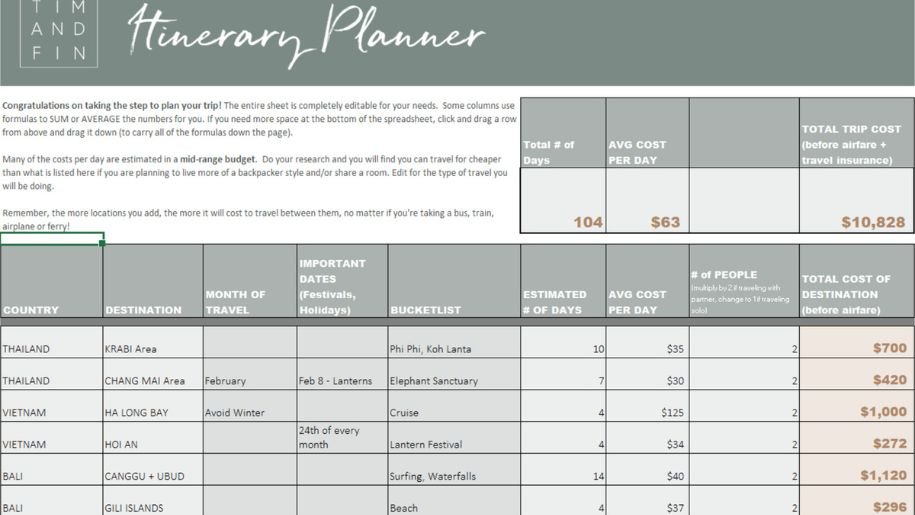

Travel has evolved dramatically over the past decade. With the rise of digital tools, artificial intelligence, and mobile technology, planning a trip is no longer limited to spreadsheets, notebooks, or manual research. At the center of this transformation is the itinerary planner — a powerful tool that simplifies, organizes, and enhances the travel experience from start to finish.
Whether you are planning a weekend getaway, a business trip, a honeymoon, or a multi-country adventure, an itinerary planner helps you turn scattered ideas into a structured, efficient, and personalized travel plan. This detailed guide explores what an itinerary planner is, how it works, its benefits, key features, types, industry trends, and frequently asked questions.
What Is an Itinerary Planner?
An itinerary planner is a digital or manual tool designed to organize travel details into a structured schedule. It helps travelers plan destinations, activities, accommodations, transportation, dining, and timelines in a logical sequence. Instead of juggling multiple confirmations, maps, and bookings, everything is consolidated into one cohesive plan.
Traditionally, travelers used notebooks or printed schedules to manage their trips. Today, itinerary planners are commonly available as mobile apps, web platforms, or integrated travel management systems. Many modern planners also include artificial intelligence that generates personalized travel plans based on user preferences, budgets, and time constraints.
At its core, an itinerary planner serves three main purposes:
- Organization – Keeping all travel information in one place.
- Optimization – Arranging activities efficiently to save time and reduce stress.
- Personalization – Tailoring the trip according to interests, goals, and budget.
Why Itinerary Planning Matters
Travel planning can quickly become overwhelming. Flights, hotels, tours, restaurant reservations, transportation, local attractions, and time management all need to align properly. Without a clear plan, travelers risk missing important bookings, wasting time in transit, or overspending.
An itinerary planner helps eliminate these challenges by creating structure. It ensures that travel time is minimized, major attractions are scheduled efficiently, and reservations are organized chronologically. This clarity improves the overall travel experience.
Effective planning also reduces decision fatigue during the trip. When activities are already scheduled, travelers can focus on enjoying the experience rather than constantly deciding what to do next.
How an Itinerary Planner Works
An itinerary planner typically functions through a combination of data input, scheduling tools, and intelligent recommendations.
First, the user enters trip details such as destination, travel dates, number of travelers, interests, and budget. Some planners allow users to import booking confirmations directly from email or calendars, automatically extracting flight times and hotel details.
Next, the system organizes the information into a day-by-day schedule. Advanced planners analyze factors like travel distance between attractions, opening hours, peak visiting times, and weather conditions. Based on this information, the planner arranges activities in an optimized order.
Modern AI-powered itinerary planners go further by suggesting attractions, restaurants, and experiences aligned with the traveler’s preferences. For example, a traveler interested in art and culture may receive museum and gallery recommendations, while an adventure traveler may receive hiking or outdoor activity suggestions.
Key Features of a Modern Itinerary Planner
While features vary between platforms, most effective itinerary planners include several essential components.
Centralized Trip Management
A reliable planner gathers all travel-related information in one location. Flights, accommodation details, car rentals, event tickets, and restaurant reservations are consolidated into a single timeline.
Day-by-Day Scheduling
A structured daily view helps travelers allocate time effectively. Activities can be arranged by morning, afternoon, and evening, preventing overcrowded schedules and ensuring realistic pacing.
Interactive Maps and Route Optimization
Mapping tools are crucial for efficient travel. They calculate travel times between locations and suggest the most practical order of visits. This prevents unnecessary backtracking and long commutes.
Budget Tracking
Some itinerary planners include expense management features. Travelers can estimate daily spending, track actual expenses, and adjust plans if necessary to stay within budget.
Collaboration Tools
Group trips require coordination. Many planners allow multiple users to edit, comment, and suggest activities in real time, making group decision-making easier.
Offline Access
Reliable itinerary planners offer offline functionality. This ensures access to schedules, maps, and reservations even in areas with limited internet connectivity.
AI-Based Recommendations
Advanced platforms use artificial intelligence to generate personalized travel suggestions. These systems analyze user interests, past travel behavior, and trending attractions to curate tailored itineraries.
Types of Itinerary Planners
Not all itinerary planners are the same. They can be categorized into different types depending on their purpose and complexity.
Personal Travel Planners
These are designed for individual travelers or families planning vacations. They focus on organizing activities, sightseeing, dining, and accommodations.
Business Travel Planners
Business-oriented planners emphasize efficiency and schedule management. They integrate meeting times, corporate bookings, expense tracking, and calendar synchronization.
AI-Powered Smart Planners
These platforms rely heavily on automation. Users provide minimal input, and the system generates a complete itinerary. The schedule can then be customized as needed.
Manual and Template-Based Planners
Some travelers prefer downloadable templates or spreadsheets. While less dynamic, they still serve as useful tools for organizing travel details.
Benefits of Using an Itinerary Planner
Using an itinerary planner offers significant advantages beyond basic organization.
Time Efficiency
Travel time between attractions can consume hours if poorly planned. Optimized routes and structured schedules help maximize sightseeing time.
Reduced Stress
Knowing where to be and when reduces anxiety. Travelers feel more confident and prepared.
Cost Management
Budget tracking and early planning help prevent overspending. Comparing activity options in advance allows for better financial decisions.
Improved Experience
A well-organized itinerary ensures that important landmarks and experiences are not missed. It also allows time for rest and flexibility.
Better Group Coordination
Shared itineraries improve communication among group members, reducing misunderstandings and last-minute changes.
The Role of Artificial Intelligence in Itinerary Planning
Artificial intelligence is transforming itinerary planning. Instead of manually researching attractions and building schedules from scratch, travelers can now generate comprehensive plans in seconds.
AI systems analyze large travel databases, user reviews, location popularity, and historical travel patterns. They then produce optimized daily plans that consider travel distances, user interests, and time constraints.
Machine learning also improves recommendations over time. If a user frequently chooses outdoor activities, the system will prioritize similar suggestions in future trips.
AI-powered itinerary planners are especially useful for complex trips involving multiple cities or countries, where manual planning would require extensive research.
Itinerary Planning for Different Travel Styles
Different travelers have unique needs, and itinerary planners adapt accordingly.
Solo Travelers
Solo travelers often seek flexibility. An itinerary planner helps structure the trip while leaving room for spontaneous decisions.
Family Travelers
Families require balanced schedules with child-friendly activities and rest periods. A planner ensures attractions are spaced out realistically.
Luxury Travelers
Luxury-focused planners may include fine dining reservations, exclusive experiences, and premium accommodations.
Backpackers
Budget travelers benefit from route optimization and cost tracking features to manage limited resources effectively.
Common Challenges in Itinerary Planning
Despite the advantages, itinerary planning can present challenges.
Overplanning is a common issue. Travelers sometimes schedule too many activities, leaving little time for relaxation. A good planner encourages realistic pacing.
Another challenge is unexpected changes. Flight delays, weather disruptions, or attraction closures can affect plans. Flexible itinerary planners allow quick adjustments.
Data accuracy can also vary. Recommendations should always be verified for updated hours, pricing, and availability.
The Future of Itinerary Planners
The future of itinerary planning lies in deeper personalization and real-time adaptability.
Emerging trends include voice-assisted trip planning, predictive travel suggestions based on calendar patterns, and integration with smart devices. Real-time alerts about weather, traffic, and local events will further enhance the travel experience.
Augmented reality may also play a role, guiding travelers through destinations while syncing with their itinerary.
As technology advances, itinerary planners will likely become more intuitive, proactive, and context-aware.
Tips for Creating an Effective Itinerary
Even with advanced tools, thoughtful planning remains important.
Start with clear priorities. Identify must-visit attractions and build the schedule around them.
Allow buffer time between activities. Unexpected delays are common, and flexibility prevents stress.
Balance structured plans with free time. Some of the best travel experiences come from spontaneous exploration.
Keep transportation logistics realistic. Consider traffic conditions, walking distances, and local transit availability.
Finally, review and refine the itinerary before departure. Ensure all bookings are confirmed and times are accurate.
Conclusion
An itinerary planner is more than just a scheduling tool. It is a comprehensive travel companion that enhances organization, efficiency, and personalization. From basic trip organization to advanced AI-driven recommendations, itinerary planners have transformed how people approach travel.
By centralizing information, optimizing routes, managing budgets, and adapting to individual preferences, itinerary planners reduce stress and maximize enjoyment. As travel continues to evolve, these tools will become increasingly intelligent and integrated, offering seamless planning experiences for travelers worldwide.
Whether you prefer a simple template or a sophisticated AI-powered platform, using an itinerary planner is one of the smartest ways to ensure a smooth and memorable journey.
Frequently Asked Questions (FAQs)
What is the main purpose of an itinerary planner?
The main purpose of an itinerary planner is to organize travel details into a structured schedule, helping travelers manage time, activities, transportation, and budgets efficiently.
Are itinerary planners suitable for business travel?
Yes, many itinerary planners are designed specifically for business travel, offering features like meeting schedules, expense tracking, and calendar integration.
Can itinerary planners work offline?
Many modern itinerary planners provide offline access so travelers can view schedules, maps, and booking details without internet connectivity.
How does AI improve itinerary planning?
AI enhances itinerary planning by analyzing preferences, travel patterns, and logistical factors to generate personalized and optimized schedules automatically.
Is it better to use a digital itinerary planner or a manual template?
Digital planners offer automation, real-time updates, and collaboration features, while manual templates provide simplicity and full customization. The choice depends on personal preference and trip complexity.