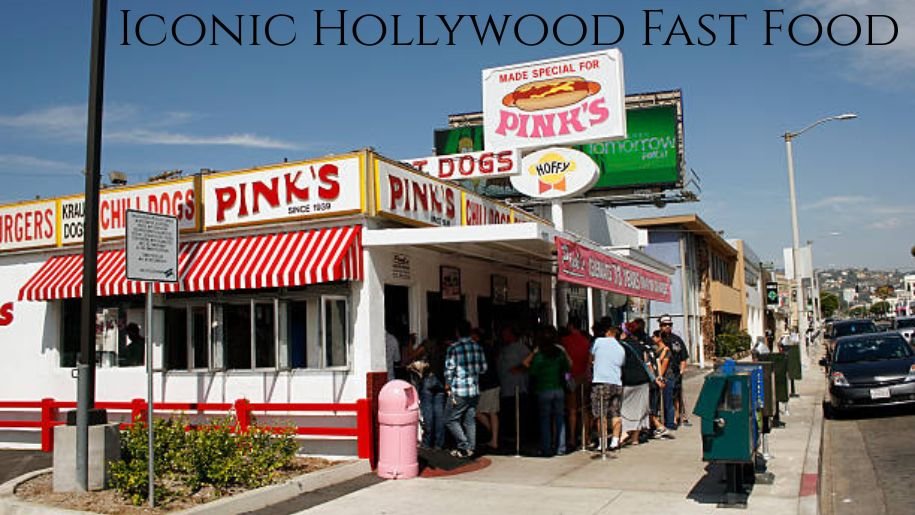

Hollywood is known around the world for red carpets, blockbuster films, celebrity culture, and glittering premieres. Yet beyond the flashing cameras and iconic movie studios lies another defining part of the Hollywood experience: fast food. From legendary burger joints to taco stands that shaped West Coast flavor, Hollywood fast food is more than convenience—it is cultural history served in paper wrappers and neon-lit counters.
This article explores the origins, cultural impact, and lasting legacy of iconic Hollywood fast food, examining how simple burgers, fries, tacos, and shakes became symbols of Los Angeles identity and global pop culture.
The Birth of Fast Food Culture in Southern California
Hollywood’s fast food story begins in Southern California’s car culture of the early 20th century. As automobiles became central to daily life, restaurants adapted. Drive-ins and walk-up burger stands flourished along expanding roadways. Los Angeles became the ideal testing ground for quick-service dining, where speed, affordability, and portability mattered.
The fast food model fit perfectly with the lifestyle of aspiring actors, studio workers, and late-night creatives. Between auditions and shoots, affordable meals were essential. This intersection of entertainment and accessibility laid the foundation for what would become Hollywood’s fast food identity.
In-N-Out Burger: The West Coast Legend


Few brands are as closely associated with Hollywood fast food culture as In-N-Out Burger. Founded in 1948 in Baldwin Park, California, In-N-Out pioneered the drive-thru concept and built a reputation around freshness and simplicity.
Unlike sprawling fast-food menus, In-N-Out offers a tightly curated selection: burgers, fries, and shakes. Yet its “not-so-secret” menu—featuring Animal Style burgers and fries—became a cultural phenomenon. Celebrities are frequently photographed holding its iconic white-and-red wrappers after award shows or late-night events.
What makes In-N-Out iconic in Hollywood is not only its food quality but its symbolism. It represents California authenticity. For many stars, grabbing In-N-Out after the Oscars feels more genuine than dining at an exclusive restaurant. It reflects a grounded, unpretentious side of Hollywood glamour.
Pink’s Hot Dogs: A Celebrity Hot Dog Institution
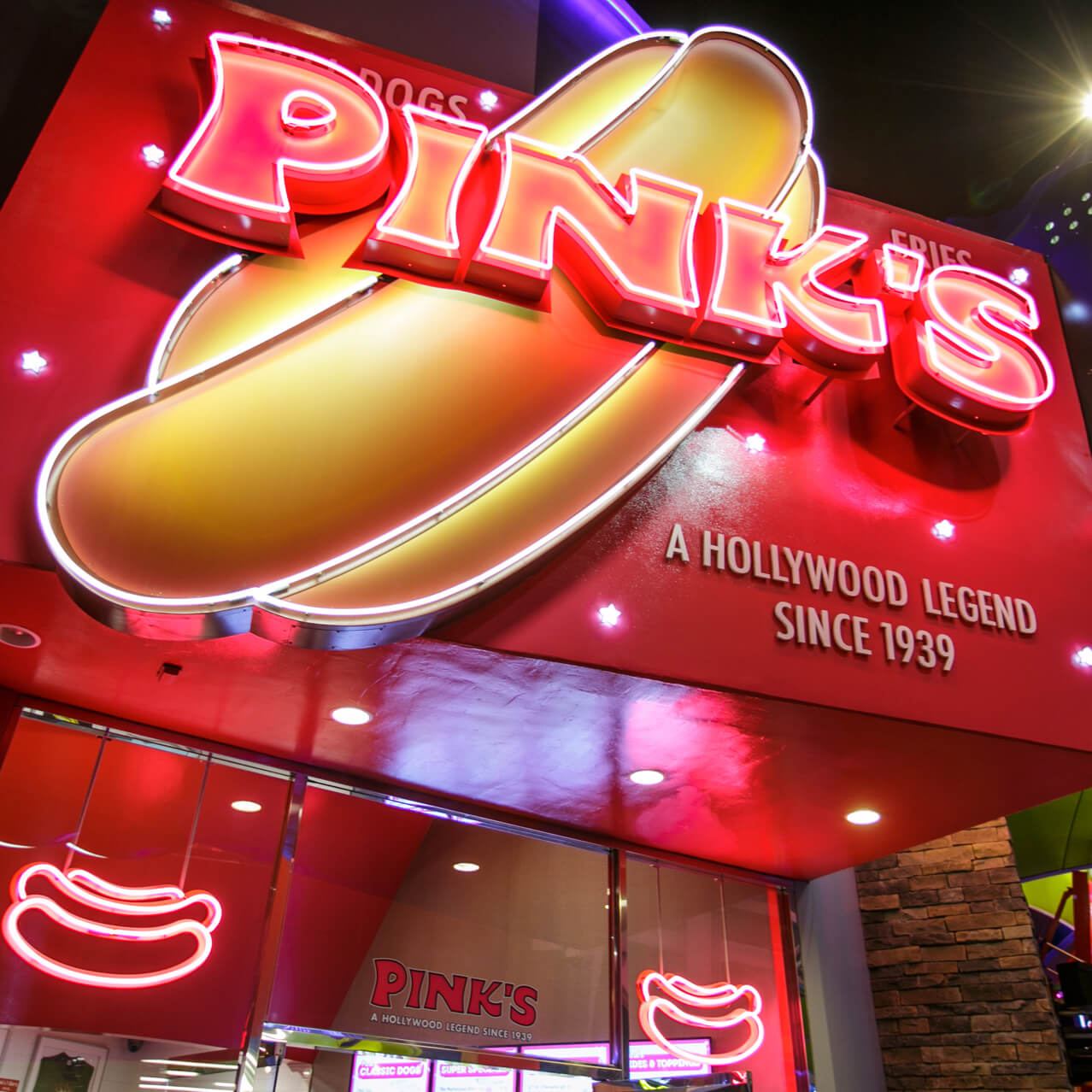

Since 1939, Pink’s Hot Dogs has been serving chili dogs to locals, tourists, and celebrities alike. Located near Hollywood, Pink’s is known for its long lines and even longer menu of creative hot dogs.
Its walls are famously covered in celebrity photos, reinforcing its deep connection to the entertainment industry. From classic chili cheese dogs to specialty creations named after stars, Pink’s blends novelty with tradition.
Pink’s represents the theatrical side of Hollywood fast food. The stand itself feels like a film set—bright, busy, and buzzing with anticipation. Eating there is not just about the food; it is about participating in a decades-long Hollywood ritual.
McDonald’s and the Rise of Global Fast Food Fame


While McDonald’s is a global corporation, its California roots tie it closely to Hollywood’s fast food development. The early expansion of McDonald’s franchises in Southern California helped define the modern fast food industry.
Hollywood appearances in films and television further cemented McDonald’s image. Scenes set in brightly lit dining rooms or drive-thrus became shorthand for American life. The golden arches often symbolize accessibility and mass culture in cinema.
In Hollywood, McDonald’s serves as both reality and metaphor—representing the commercialization of American dreams while remaining a practical stop for studio crews and tourists alike.
Fatburger: The Last Great Hamburger Stand


Fatburger, founded in 1952, calls itself “The Last Great Hamburger Stand.” Known for made-to-order burgers and generous portions, Fatburger became popular among musicians, actors, and athletes.
Unlike standardized fast-food chains, Fatburger maintained a slightly edgier, urban feel. Its presence in hip-hop culture and celebrity endorsements amplified its Hollywood association. The brand blends old-school diner aesthetics with California cool.
Fatburger symbolizes individuality in fast food—a reminder that Hollywood culture often celebrates distinct personalities and bold flavors.
Taco Bell and the Mexican-American Influence

Taco Bell was founded in Southern California in 1962 and reflects the region’s deep Mexican-American culinary influence. While not exclusively tied to Hollywood, its presence throughout Los Angeles made it part of everyday industry life.
Affordable tacos and late-night hours made Taco Bell a go-to for struggling actors and production assistants. Over time, it evolved into a pop culture symbol, frequently referenced in films and television.
In Hollywood fast food culture, Taco Bell represents accessibility, youthfulness, and innovation—constantly reinventing its menu while maintaining its core identity.
Shake Shack and the Modern Fast-Casual Era


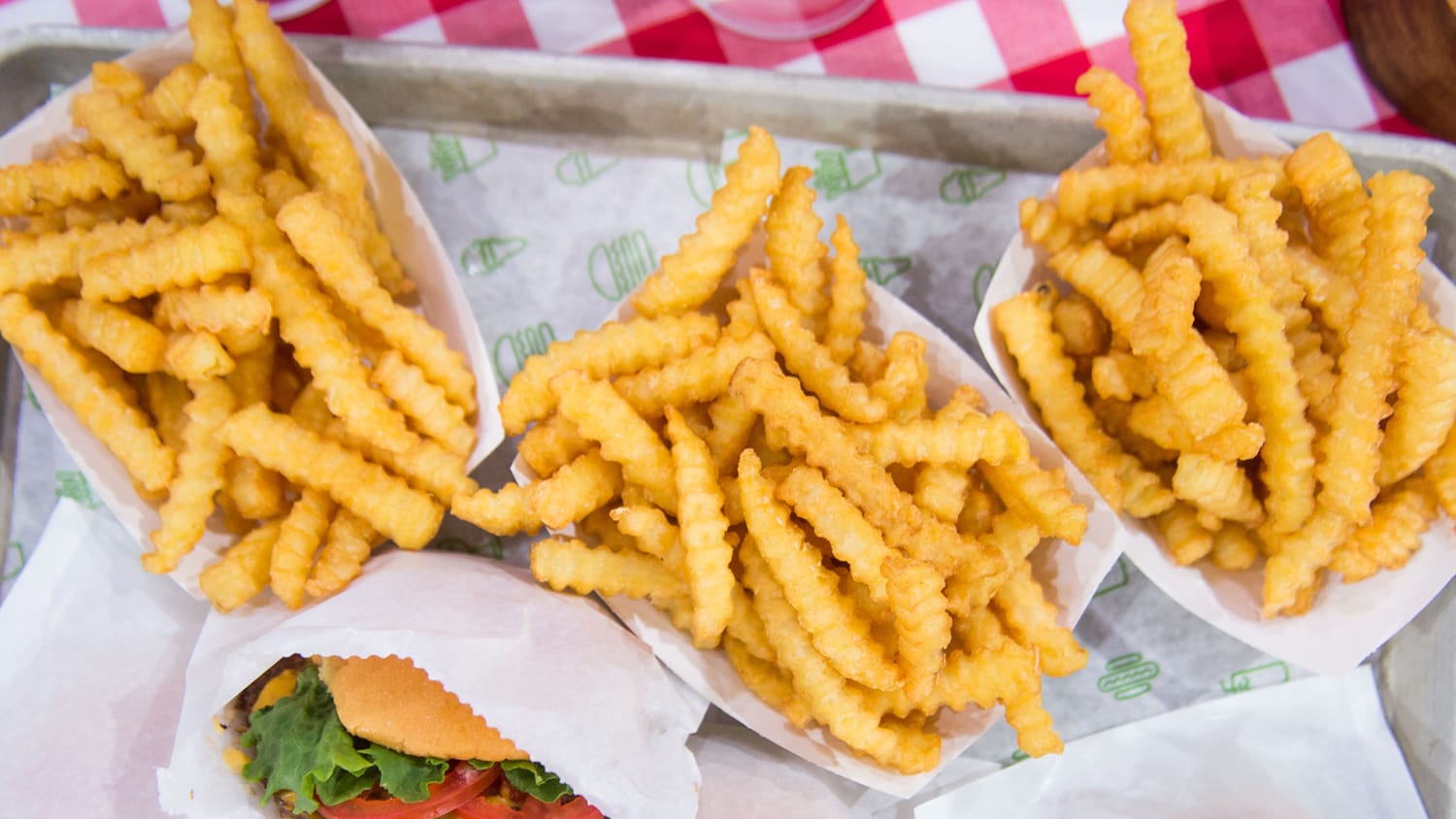
As Hollywood evolved, so did its fast food scene. Shake Shack entered the Los Angeles market as part of a broader fast-casual movement emphasizing premium ingredients and stylish branding.
Shake Shack appeals to a health-conscious, media-savvy crowd. Its sleek design and social media presence align with Hollywood’s image-driven culture. While not born in California, its Hollywood locations reflect the city’s ongoing transformation.
The rise of fast-casual restaurants signals a shift from pure speed to curated experience. In Hollywood, even fast food must feel camera-ready.
Fast Food in Hollywood Films and Television
Hollywood does not just consume fast food—it immortalizes it on screen. Burgers, fries, and milkshakes often appear in character-building scenes. A casual fast-food setting can humanize larger-than-life characters or highlight generational differences.
From late-night diner conversations to drive-thru exchanges, fast food becomes a storytelling device. It signals normalcy amid chaos. Directors often use familiar chains as visual shorthand for American culture.
This symbiotic relationship reinforces the iconic status of these establishments. When audiences repeatedly see certain brands in films, those brands become woven into cinematic memory.
The Role of Car Culture and Drive-Thrus
Drive-thrus are essential to understanding Hollywood fast food. Los Angeles is famously car-dependent, and drive-thru restaurants accommodate the city’s sprawling geography.
For actors seeking privacy or convenience, drive-thrus provide discretion. Paparazzi photos of celebrities grabbing burgers through a car window further embed fast food into Hollywood mythology.
The drive-thru experience—quick, mobile, and efficient—mirrors the fast-paced entertainment industry itself.
Celebrity Endorsements and Cultural Influence
Hollywood’s proximity to major fast food chains creates natural opportunities for endorsement and brand crossover. Celebrities frequently collaborate on limited-edition menu items or appear in advertisements.
When famous actors are seen enjoying everyday fast food, it bridges the gap between glamour and relatability. The public perceives these moments as authentic glimpses into star lifestyles.
Fast food becomes a democratizing force in a city defined by exclusivity.
Why Hollywood Fast Food Endures
Despite the rise of organic cafes and gourmet dining, iconic Hollywood fast food persists. Its endurance can be attributed to several factors:
First, nostalgia plays a powerful role. Long-standing establishments evoke memories of old Hollywood, studio backlots, and simpler times.
Second, affordability ensures accessibility across economic classes. Hollywood may be glamorous, but it is also home to thousands of working professionals behind the scenes.
Third, convenience aligns with the industry’s unpredictable schedules. Fast food fits into a lifestyle defined by auditions, rehearsals, and late-night editing sessions.
Finally, cultural symbolism sustains its relevance. Hollywood fast food is not just sustenance—it is part of a shared narrative.
The Evolution Toward Health-Conscious Options
Modern Hollywood reflects broader shifts toward wellness and sustainability. Many fast food chains now offer plant-based burgers, lighter menu items, and transparent sourcing.
This evolution demonstrates adaptability. Iconic establishments survive by balancing tradition with innovation.
The coexistence of chili dogs and kale salads illustrates Hollywood’s diversity—both indulgent and image-conscious at once.
Conclusion: More Than Just a Meal
Iconic Hollywood fast food represents the intersection of culture, commerce, and creativity. From In-N-Out’s minimalist perfection to Pink’s theatrical hot dogs, these establishments are woven into the city’s identity.
They feed aspiring actors before auditions, sustain film crews during overnight shoots, and comfort award winners after glamorous ceremonies. They appear in films, inspire nostalgia, and shape global perceptions of American dining.
In Hollywood, even a simple burger carries a story. Fast food here is not merely quick—it is iconic.
Frequently Asked Questions (FAQs)
Why is In-N-Out Burger considered iconic in Hollywood?
In-N-Out Burger is closely associated with California culture and is frequently enjoyed by celebrities after major Hollywood events, making it both a culinary and cultural symbol.
What makes Pink’s Hot Dogs famous?
Pink’s gained fame through its long history, creative menu, and walls covered with celebrity photographs, solidifying its connection to Hollywood entertainment.
Do celebrities really eat fast food in Hollywood?
Yes, many celebrities are often seen enjoying fast food, especially from well-known local chains, because it offers convenience and nostalgia.
How has Hollywood influenced fast food culture?
Hollywood has amplified fast food’s cultural impact through films, television appearances, celebrity endorsements, and media exposure.
Is Hollywood fast food different from other cities?
Yes, it often carries historical significance, celebrity associations, and a strong connection to California’s car culture and entertainment industry.